
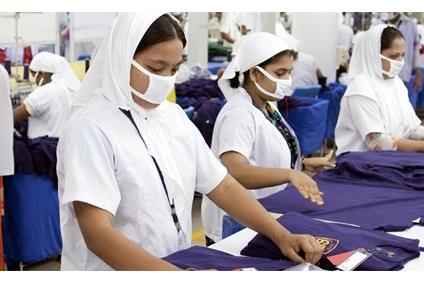
A group of unions in Bangladesh have called for an immediate review of the new minimum wage, saying it fails to meet workers’ expectations, with a demand the new rate be doubled.
The Bangladesh Government last month raised the minimum worker wage by 51% to BDT8000 (US$95) per month – half what the IndustriAll Bangladesh Council (IBC) had been seeking.
Go deeper with GlobalData


Discover B2B Marketing That Performs
Combine business intelligence and editorial excellence to reach engaged professionals across 36 leading media platforms.
The Council, however – made up of IndustriAll Global Union affiliates in Bangladesh – say the new wage is “inadequate” to meet the living costs of Bangladeshi garment workers. It adds that rent has increased by up to 50%, and other living costs have also increased.
The new minimum wage is due to be implemented in December. The last increase was made in 2013 following international pressure after a string of fatal factory accidents. This was an increase from BDT3,000 (US$35) adopted in 2010.
Unions have rejected the proposed wage, saying it should be doubled to BDT16,000 (US$190). They claim state-owned factories pay this amount, and unions expect the minimum wage to at least match the state baseline.
On 26 September, workers held a rally in Dhaka to protest against the wage, and demand the intervention of the Prime Minister.
Unions are calling for a wage settlement that outlines wages for other grades, as well as the reduction of grades from seven to five. They want a policy to promote workers to a higher grade after two years, an increase in the apprentice wages from BDT4,180 (US$49) to BDT10,000 (US$118), and a reduction of the training period from six to three months. Piece rate wages should be decided before work commences, and there should be a 10% annual increase in the minimum wage, to keep pace with inflation.
“This decision once again shows the inadequacy of the minimum wage system to support living wages for Bangladesh’s garment workers,” says IndustriAll assistant general secretary Jenny Holdcroft. “Sectoral collective bargaining between employers and trade unions is urgently needed to enable wage increases to be agreed for all categories of workers that take proper account of rising living costs.”
Last year, Bangladesh produced $30bn worth of garments for major global retailers. The industry accounts for 80% of the country’s exports, and employs mostly women.


