
CottonConnect, a social enterprise established in 2009, has built a strong reputation for making cotton supply chains more sustainable, resilient, and farmer-centric. Working with hundreds of thousands of smallholder farmers and many leading fashion and textile brands, the organization has focused on linking on-the-ground improvements with responsible sourcing. It has been awarded for Innovation in the Supply Chain Traceability category in the 2025 Just Style Excellence Awards, in recognition of a decisive step in that journey: the development and large-scale rollout of TraceBale, a digital platform that tracks cotton from farm groups to finished garments in a way that is both credible and workable in real-world conditions.
The award reflects how TraceBale addresses some of the textile industry’s most urgent challenges. New regulations in the EU and US require companies to substantiate origin and sustainability claims with robust evidence, while stakeholders increasingly challenge opaque supply chains and generic assertions. CottonConnect has responded with a system that meets these expectations while acknowledging the realities of fragmented, low-digitization networks in major cotton-producing regions.
Go deeper with GlobalData


Discover B2B Marketing That Performs
Combine business intelligence and editorial excellence to reach engaged professionals across 36 leading media platforms.
Farm-Up cotton traceability for regulatory-ready supply chains
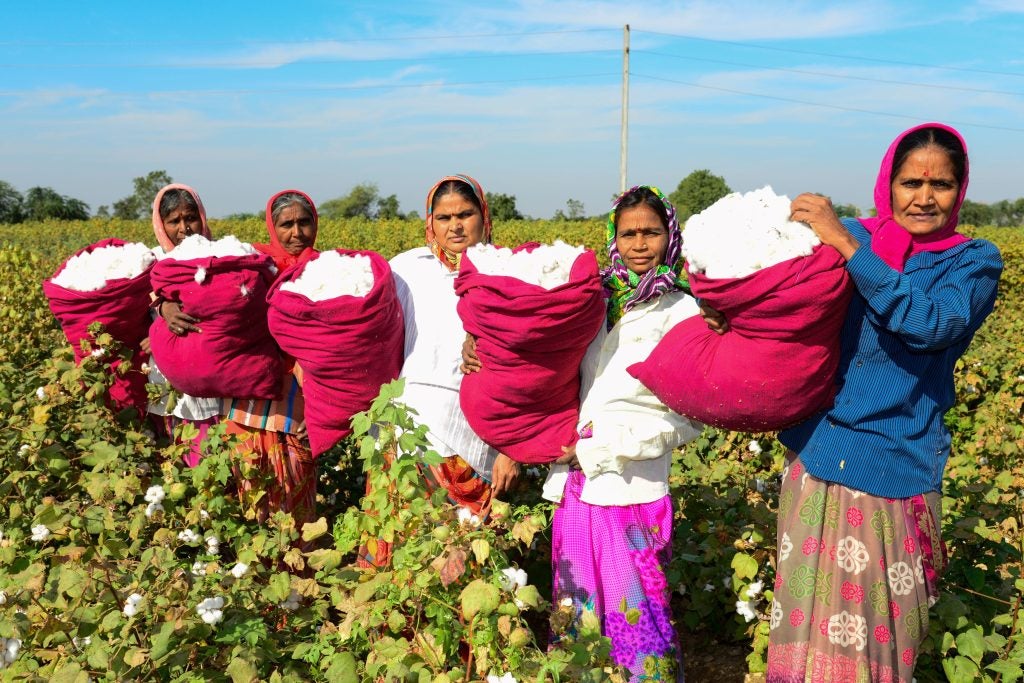
A key reason for CottonConnect’s recognition is the way TraceBale confronts the long-standing “first mile” problem in cotton traceability. In conventional supply chains, cotton is aggregated from many smallholders, often with limited record-keeping, and traceability usually starts only at the gin or later. This leaves brands with gaps in data that make rigorous due diligence and origin verification difficult.
TraceBale reverses this pattern by starting at farm group level. Farmers in participating programs receive unique digital identities, often via QR codes, so that their production can be recorded and tracked. Standardized field tools capture information on farm practices and outputs, while GIS mapping anchors farm groups to precise locations. Together, these elements establish an auditable, evidence-based starting point for each lot of cotton.
From the moment cotton leaves the farm, TraceBale maintains a segregation-based chain of custody. Seed cotton, lint bales, yarn, and fabric are linked via unique identifiers, and transactions at ginning, spinning, fabric production, and garment manufacturing are recorded. The platform tracks volumes and loss percentages at each stage, reducing the risk of double-counting or unverifiable claims. Near real-time data intake at farm and gin level provides a live view of seed cotton and lint availability, which is particularly important for brands with multi-country sourcing strategies.
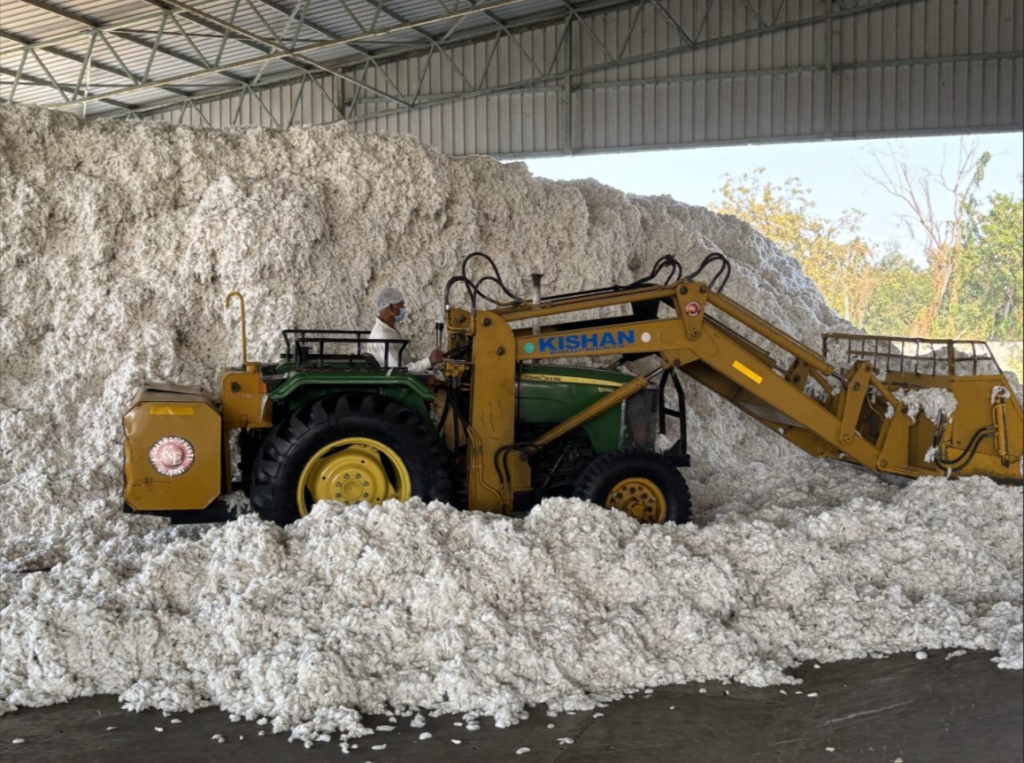
This approach yields traceability, from farm group to finished product, based on primary, audit-ready data rather than assumptions or broad averages. It gives brands and retailers a concrete tool to meet emerging legal requirements on supply chain transparency and product substantiation. At the same time, suppliers gain a more orderly way to handle increasing documentation demands, using a system designed around operational realities rather than theoretical models.
Crucially, TraceBale is built for interoperability. It can connect with other platforms and brand systems across different tiers, allowing it to slot into existing digital ecosystems instead of requiring a disruptive overhaul. This flexibility has helped encourage adoption in complex, multi-actor supply chains.
Digital traceability reinforced by scientific fiber verification
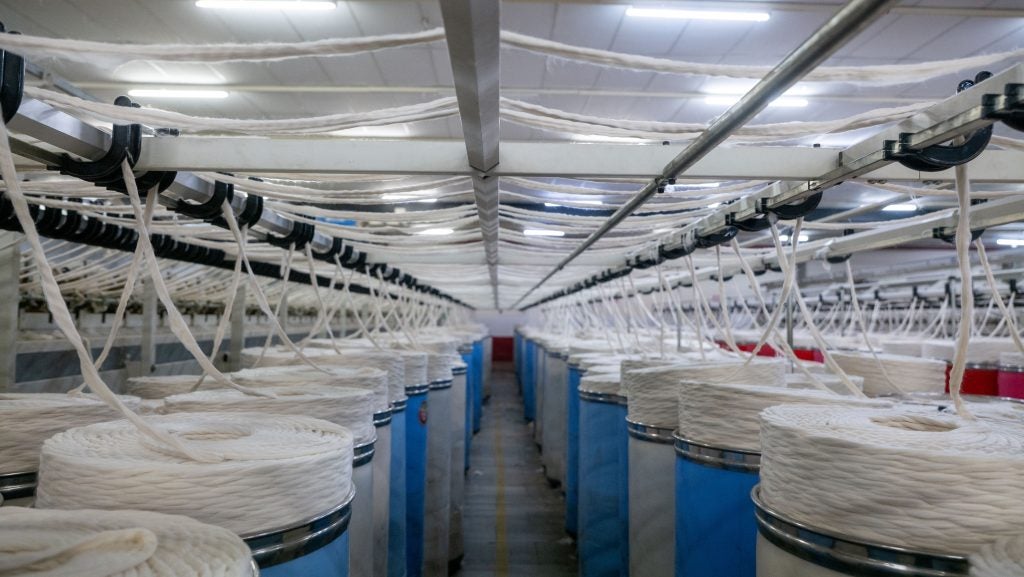
Another important factor behind CottonConnect’s award is its decision to complement digital traceability with physical verification of fiber origin. Industry experience has shown that digital records, while indispensable, can still be vulnerable if materials are mixed or substituted. To address this, CottonConnect partnered with Haelixa, a specialist in DNA-based fiber marking, to combine TraceBale’s chain-of-custody data with forensic-level evidence.
In a pilot with brand partner C&A, Haelixa’s DNA marker — linked specifically to organic cotton for that brand — was applied to lint early in the supply chain. The marker, delivered in a water-based spray, remained detectable as the cotton moved through ginning, spinning, weaving or knitting, dyeing, and garment production. Samples taken at each stage were tested and consistently matched the original marker, confirming that the cotton had been physically traceable throughout processing.
CottonConnect then updated TraceBale so that laboratory test results and marker information could be uploaded and associated with the relevant batches and transactions. Brands and processors can now view digital records backed by independent physical analysis, significantly strengthening the credibility of claims about origin and sustainable production.
This digital plus scientific approach sets a higher standard for what traceability can mean in practice. It offers a realistic way for companies to defend their statements about environmental and social performance, especially in a context of tightening regulations and growing scrutiny of greenwashing. The award recognizes this as a pioneering move from concept to implementation in mainstream supply chains.
Scalable impact and shared value across the cotton ecosystem
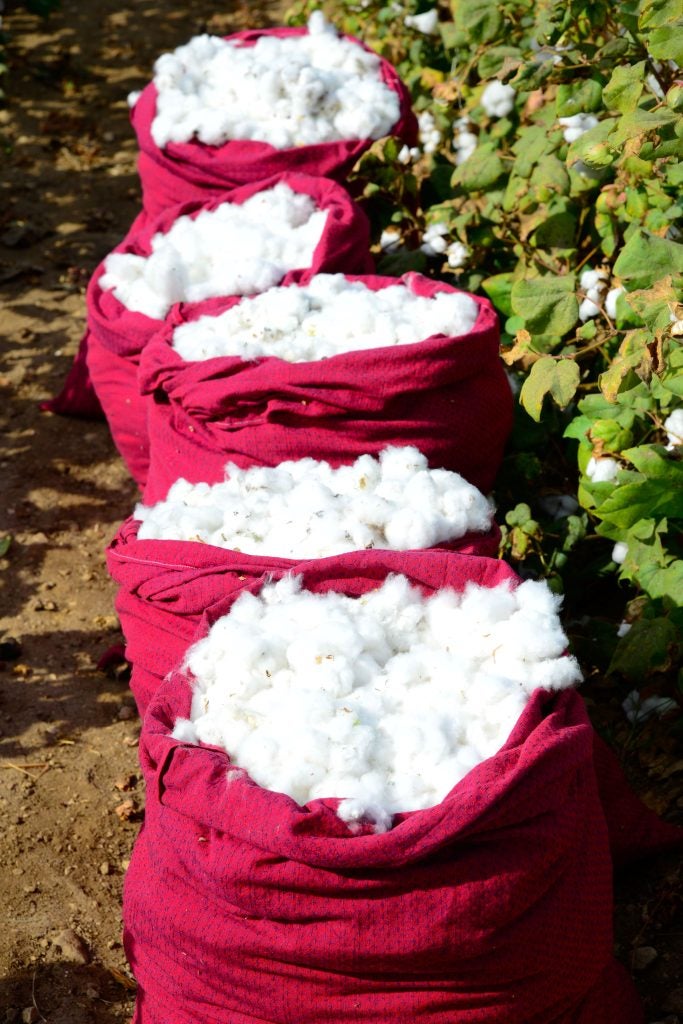
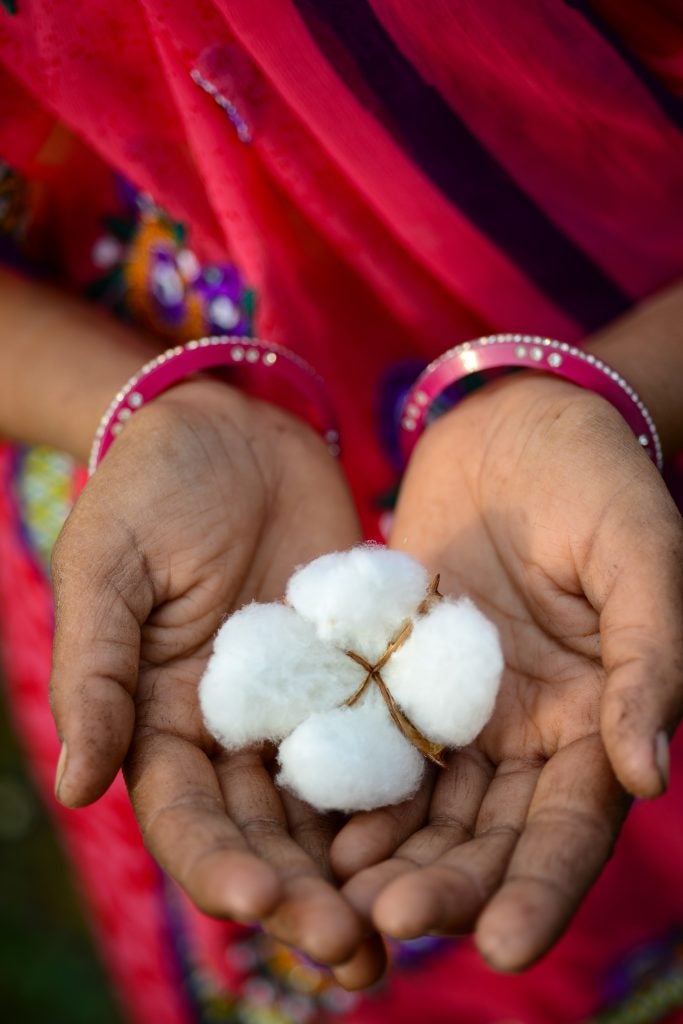
CottonConnect’s achievement is not limited to technical design. TraceBale has been implemented at a scale and depth that demonstrate clear value for different actors in the cotton ecosystem, from farmers to retailers.
The platform now serves more than a dozen global fashion and textile brands, including major high-street names. Hundreds of thousands of smallholder farmers are registered in the system, and the volumes traced are equivalent to well over a billion cotton T-shirts. More than half a million metric tons of sustainable cotton lint have been processed and mapped through TraceBale, showing that the solution is robust enough for mainstream, multi-country sourcing.
For brands and retailers, this translates into much clearer visibility across complex supply chains. TraceBale captures primary data on both the origin of cotton and the locations where it is processed, enabling them to link Tier 1 suppliers back to earlier stages and specific farm groups. This supports product documentation, risk assessment, and regulatory reporting, and strengthens the basis for any sustainability or origin-related claims. The platform’s dashboards offer insights into material flows and sustainability indicators, helping companies monitor performance against their own strategies and regulatory expectations.
Suppliers and processors, often under pressure to supply documentation to multiple customers, benefit from a centralized, structured data environment. TraceBale records key transactions, volumes, and certificates that might otherwise be scattered across paper files or incompatible systems. This improves planning, order management, and operational efficiency. Through onboarding and regular training, CottonConnect also supports facilities that may be in the early stages of digitalization, which in turn improves data reliability.
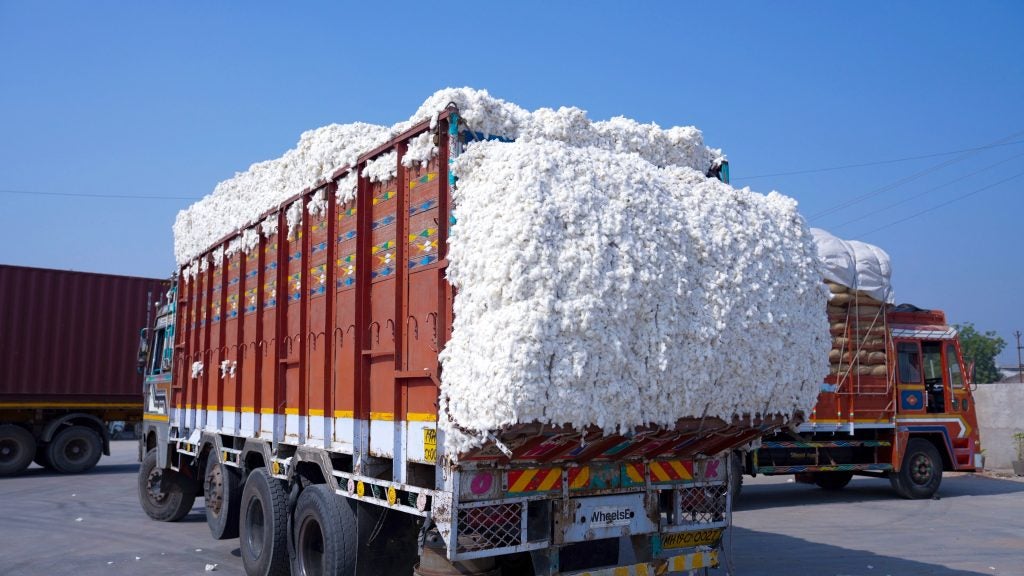
For farm groups and smallholder communities, TraceBale represents formal recognition and inclusion in traceable, sustainable supply chains. Registration and data capture are designed to be mobile-friendly, enabling farmers to document their production and practices. The information collected not only supports brand claims but also feeds into targeted improvement programs addressing yields, water use, or regenerative methods. By linking traceable sustainable production with brand demand, TraceBale helps ensure that farmers are more fairly integrated into value chains that increasingly reward responsible practices.
Consumers are the final link in this chain. By enabling garments to carry QR codes that connect to verified sourcing information, TraceBale allows end users to see where their cotton comes from and how it traveled through the supply chain. While not the primary focus of the platform, this feature helps translate complex traceability data into accessible, product-level transparency.
By digitizing the first mile, integrating forensic verification, and proving that the model works at scale for brands, suppliers, and farmers alike, CottonConnect has set a new benchmark for cotton supply chain traceability.

“Traceability is important to achieving regulatory compliance, but it also forms the bedrock of responsible business. It helps ensure every stage of the supply chain is understood, allowing issues to be addressed head-on.”
– Dr. Prakash Menakel Philip, Global Director, Strategy and Impact at CottonConnect
Company Profile
CottonConnect is a pioneering social enterprise, working at the intersection of agriculture, sustainability, and supply chain innovation — empowering brands and retailers to build more resilient, transparent, and responsible cotton supply chains. With headquarters in London and on-the-ground teams around the world, we enable producers and raw material farmers (especially women) to work more responsibly and enjoy better livelihoods. Our work helps brands to access more sustainable cotton and other natural fibres, creating a more transparent and resilient supply chain that will continue to deliver the best cotton, now and in the future. At CottonConnect, we believe in helping brands, suppliers and farmers develop and maintain partnerships that are truly transformational.
Our core offerings include:
- Raw Material Sourcing: We work directly with farmers for sustainable agricultural practices, quantifiable environmental impact and REEL Cotton training programmes and organic integrity
- Social Impact: Through deep engagement at the farm level, we provide training on sustainable agricultural practices, improving livelihoods while reducing environmental impact
- Traceability: Our proprietary TraceBale™ platform offers end-to-end visibility, allowing you to make data-driven decisions and demonstrate impact to stakeholders and consumers alike
- Climate Action: Quantify C-footprint, Implement C-sequestration and biodiversity enhancement
Our programmes focus on improving farmer livelihoods, increasing yields, reducing environmental impact, and enhancing social equity. To date, we have trained and supported over 800,000 farmers across India, Pakistan, Bangladesh, China, Turkey, and Egypt, many of whom are located in climate-vulnerable regions. In 2023-24, farmers in the REEL programme saw a 26% increase in profits and a 6% increase in yields.
Our flagship initiatives, the REEL (Responsible Environment Enhanced Livelihoods) Cotton Programme and the REEL Regenerative Standard, help farmers adopt low-input, high-impact practices that regenerate soil, improve water use efficiency, promote biodiversity, and sequester carbon. We also advance gender equality by equipping women with knowledge, voice, and leadership opportunities in their communities. In addition, through our Human Rights Due Diligence (HRDD) programmes, we support producers in identifying and addressing risks around child labour, fair wages, gender inequality, working conditions, climate change & health.
Contact Details
Richa Paliwal, Director – Insights and Strategic Communication
Links
Website: https://www.cottonconnect.org/


