
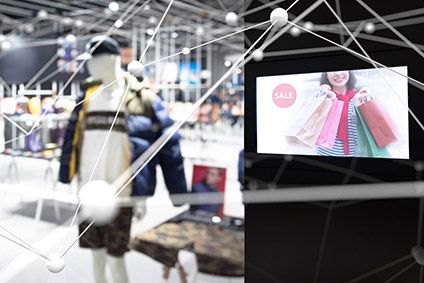
AI enabled digital tools are taking personalisation and customer service to the next level, not just online, but in physical stores as well. Where does this leave supply chains? asks Roit Kathiala.
Almost all brick-and-mortar retailers have now built roadmaps to scale their digital capabilities to augment existing product design, sourcing, warehousing and store management strengths.
In parallel, online-only fashion retailers are extending their competencies to the supply chain, investing heavily in logistics and fulfilment capabilities and expanding their brand-building skills in product development, management, assortment planning, and even opening stores.
Their goal is that this digital, AI (artificial intelligence) and data-centric approach is replacing the traditional retail approach based on the taste and gut feeling of merchants and will once again disrupt traditional fashion companies with better and more relevant products.
Both digital and traditional retailers have clearly recognised that in order to stay relevant they need to better serve customers wherever they are: online, mobile, social media or simply in store. However, in this race so far traditional retailers are behind as they struggle to overcome limitations of existing infrastructure and corporate cultures to compete with the data-centric start-up culture of online companies.
But there is one technology that could change this: artificial intelligence (AI).
AI creates an unparalleled opportunity to bridge the gap between electronic and physical sales channels, and presents a great way to enhance customer experience while improving the productivity and efficiency of the retail store.
To capitalise on this, companies need to reimagine the total in-store experience from the ground up – and implementing the right technology is key.
AI enabled stores generate a lot of data and insights into shopper’s habits, preferences and profiles – such as which product was being tried on and not bought, what’s being sized up or down, which garments are being styled together, what colour or print is preferred, what part of the garment did not fit right, who shoppers like to interact with.
This information can then be processed into insights and recommendations – such as presenting individual customers with the products, brands, styles, colours, individualised promotions they are most likely to respond to. These personalised experiences in turn build brand loyalty.
A few wins from AI enabled stores:
- Enhanced customer satisfaction: Customised service, improved availability of preferred styles, colours, fit, size and style advice are some of the services AI helps improve significantly in a store.
- Improved promotional efficiency: Focused special promotions, sales and loyalty discounts based on customer preferences increase their chances of success and improve the ability to generate sales and clear inventory with minimal price discounts.
- Reduction in overall customer complaints through a more personalised service.
- Better allocation decisions leading to better availability based on individual store profiling by: sales by commodity, colour preference, styling preference, price elasticity.
- Targeted marketing campaigns increasing marketing effectiveness.
- Smart fitting rooms: AI enabled smart fitting rooms in brick-and-mortar stores can blend the convenience of online with the physical choice and customer service of a store. Technology like interactive and memory mirrors lets the customer get a 360 degree view when wearing an outfit, enables multiple outfits to be viewed side-by-side, and the images can be shared with friends and family to get their opinion, all from the privacy and convenience of a fitting room. Taking it to the next level is the ability to provide suggestions and insights based on a better understanding of the customer.
- Gathering individual body shape data: To personalise shopping and make purchasing online easier and improve the overall fit accuracy of the styles customer selects or suggest better fitting styles.
- Digital assistance: From suggestions on styles, colours and silhouettes to availability in store, to pick up in store or ship to home, customers can now choose how much, when and how they want to be assisted by an app or an in-store associate.
- Cross selling and up-selling to customers: An AI enabled app takes over the age-old art of cross selling (selling more to the same customer) or upselling (selling a more expensive or higher margin product/s compared to what the customer was initially looking for).
Supply chains
AI enabled customer interactions with smart stores have the ability to generate end-to-end company wide insights that elevate the quality and accuracy of multiple processes including supply chains, where the traditionally slower brick-and-mortar retailers are now catching up fast.
Walmart and Target have merged their offline and online sales to speed up delivery times, and have strengthened their business to compete better with Amazon. Other retailers working on this transformation aren’t far behind.
AI enabled insights and decision making can help supply chains in a number of ways that have a material impact on efficiency, productivity, costs and sustainability. These include:
- Smart inventory decisions by product by channel – such as how much inventory to hold, where to hold it (supplier versus store versus DC). AI is opening doors to managing inventory more accurately and dynamically down to the SKU level, a decision that has always needed lots of computations and human intervention.
- Securing the supply chain by predicting and detecting security intrusions, hence also helping reduce supply chain shrinkage (losses).
- Improving the accuracy of forecasting and making dynamic end-to-end supply chain planning possible. This has a host of benefits from better resource and capacity planning to identifying any potential service level challenges with existing infrastructure.
- Sustainability: Better allocation of material and resources optimally reduce the wastage elements in the fashion supply chain. It is not unusual to hear of product aired based on a previous plan that ends up sitting in the DCs for weeks before being allocated.
It is now time for brick-and-mortar retailers to embrace the endless possibilities of AI and digital to transform every aspect of the back-end supply chain as they are doing to the online and customer facing experience.
For online retailers the challenge is to see if, with the help of technology, they can leapfrog traditional brick-and-mortar retailers to build this capability. After all, they did manage to disrupt these retailers once before.



