
Apparel brands and retailers sourcing from UK factories could benefit from a new tool aimed at helping councils pinpoint where modern slavery is taking place in the country and accurately direct spending toward resolving the problem.
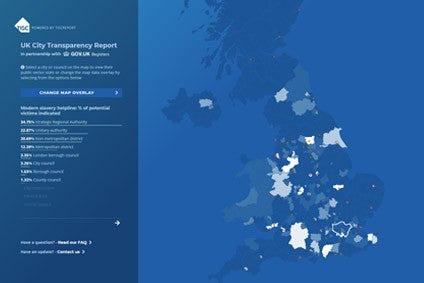
TISCreport, an organisation committed to ending modern slavery and supply chain labour issues, has launched the live UK Transparency Map which shows slavery and labour exploitation hotspots across the UK using real information derived from the modern slavery helpline.
Go deeper with GlobalData


Discover B2B Marketing That Performs
Combine business intelligence and editorial excellence to reach engaged professionals across 36 leading media platforms.
Public bodies can use the online tool to check supplier compliance in accordance with the Modern Slavery Act allowing them to be fully informed when choosing where and with whom to spend public funds, ultimately helping to drive out slavery and exploitation.
Anyone is able to access the tool, which also shows data related to the proportion of calls to the UK Modern Slavery Helpline that originate from their local areas.
Jaya Chakrabarti, CEO of TISCreport, says: “Thanks to the Home Office enabling a civil society response to the monitoring of Section 54 of the UK Modern Slavery Act, we and our open data partners have been able to join forces with our charity partners at the UK Modern Slavery Helpline to start to make the issue really clear in the minds of all those still grappling with understanding it.
“Labour exploitation and modern slavery are not just crimes that occur in far-away countries. We have victims right here, right now. An informative live map that purely presents the facts can help bring this alive for many who just can’t imagine what is going on right on their doorsteps.”
Modern slavery continues to be a significant problem facing the UK apparel and garment industry.
Last year the Dispatches television programme revealed suppliers in Leicester producing for high street brands including River Island, New Look, Boohoo and Missguided were paying workers between GBP3 (US$3.74) and GBP3.50 per hour. That was just half of the UK’s GBP7.50 per hour national living wage for workers aged 25 and over at the time.
The Ethical Trading Initiative (ETI) at the time called for retailers sourcing garments from the city to impose significant sanctions against those factories that breach contracts.
Last month, brands including John Lewis, M&S and Next signed a joint agreement with enforcement bodies to try to combat the exploitation of workers by UK fashion and textile manufacturers.
Victoria Atkins, Minister for crime, safeguarding and vulnerability said of the new tool: “It is horrible to think some of the goods and services we buy could have been produced by someone forced into modern slavery. This is abhorrent and as global leaders in the fight against modern slavery, we will not tolerate it.
“To eradicate this crime from our communities and economy it is crucial that government, businesses and society work together. I am delighted to see live data initiatives like the TISCreport map shining a light on those local areas that are stepping up their efforts to address the risks of modern slavery.”
An in-depth report on just-style has also looked at what’s going wrong with UK manufacturing, and why tough government action is needed: UK manufacturing – a ticking time bomb or sourcing gold?



