
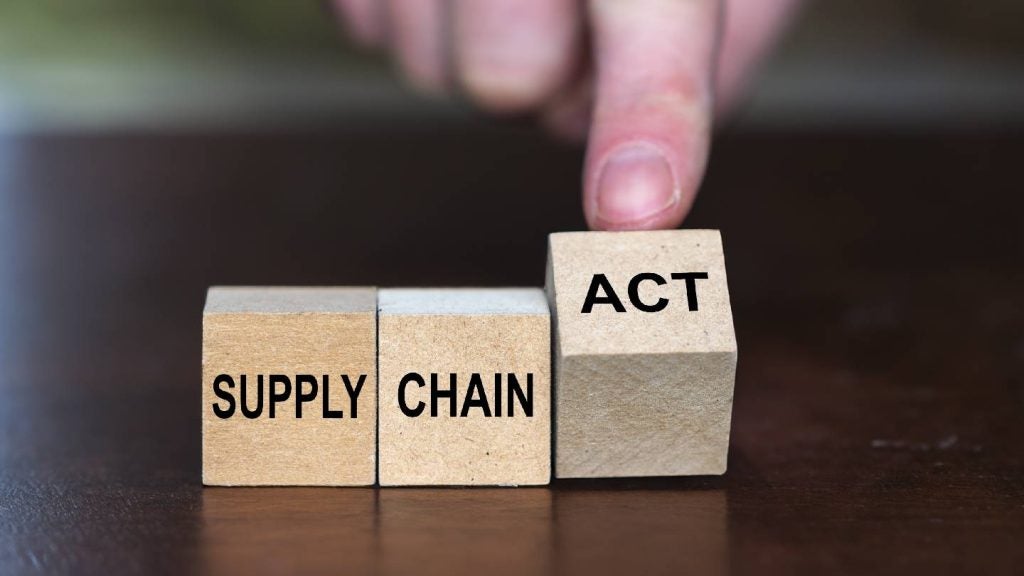
The law has placed legal obligations on German companies to address human rights violations and some environmental breaches related to their business activities and supply chains.
Since its introduction, the law has had visible consequences. Examples include truck drivers in Germany pursuing wage claims, Turkish trade unions using the law to enforce freedom of association, and German companies responding to environmental impacts linked to raw material extraction in West Africa.
These cases illustrate that the LkSG is being utilised by employees and human rights defenders, as well as prompting companies to review their business models for human rights risks.
Despite these developments, experts note that many impacts of the law are not readily apparent to the public, with most changes occurring within internal company processes or at earlier supply chain stages.
A recent literature analysis by the German Institute for Human Rights found a lack of scientific research on these outcomes, attributing this to the gradual nature of change envisioned by the legislation.
The law's effectiveness is currently under discussion, especially in light of recent amendments to the EU Corporate Sustainable Due Diligence Directive (CSDDD) that have limited its scope and enforcement measures.
Some trade associations have lobbied for reduced regulatory requirements at both EU and national levels.
Critics argue that the LkSG imposes excessive reporting requirements and administrative workload without addressing practical business realities. However, evidence from civil society organisations and companies suggests otherwise.
Enforcement remains a key issue. In Germany, the Federal Office for Economic Affairs and Export Control (BAFA) oversees compliance with the law but is subject to directives from relevant ministries, raising questions about its political independence.
Restrictions imposed by these ministries may hinder BAFA’s operational capacity. Furthermore, there are existing shortcomings in how complaints and notifications from third parties are handled, particularly regarding transparency and the involvement of complainants.
If Germany were to lower the number of companies covered by the LkSG in alignment with recent EU regulatory developments, many entities could be exempted from due diligence obligations immediately. This would have direct implications for stakeholders in their supply chains.