
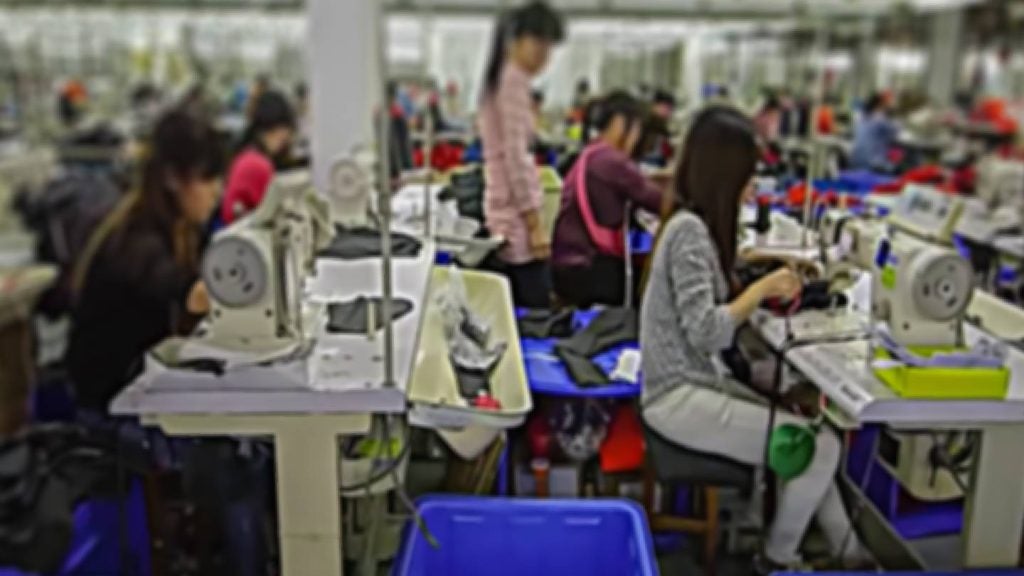
Non-profit human rights organisation the Business and Human Rights Centre claimed in its research that it has tracked 665 cases of alleged abuse against Myanmar garment workers from March 2021 to October 2024, highlighting a pattern of systemic and interconnected violations.
Reports indicate that forced overtime, unsafe working conditions, wage deductions, gender-based harassment, and retaliation against union activity have become widespread.
The organisation said the collapse of freedom of association is evident, with union leaders subject to criminal charges and workplace committees used to suppress worker voices.
The majority female workforce continues to face regular gender-based violence and harassment used as tools for discipline and control.
Factory collaboration with the military has reportedly increased since the coup, further restricting the ability of workers to organise.
In February 2021, employees were allegedly locked inside a factory to stop them from joining Civil Disobedience Movement protests.
The implementation of the People’s Military Service Law in 2024 has also raised concerns among workers about forced conscription after late shifts, adding to the dangers associated with compulsory overtime.
The Business and Human Rights Centre found that forced labour indicators are present throughout the industry’s production systems. Mandatory overtime and escalating production quotas were identified in 349 cases, accounting for more than half of all reported incidents.
Denial of leave was recorded in 233 cases, contributing to coercive conditions. Workers reported being refused maternity leave, medical leave, and national holidays, with some facing wage deductions or dismissal when requesting time off.
Job insecurity has also increased since the military takeover. There is an increasing use of day labour contracts, documented in 95 cases, which allows employers to avoid providing the legal benefits required for permanent staff.
Day labourers reported lower wages, higher targets, and routine verbal abuse. Workers also described unfair dismissals for refusing overtime, pregnancy or missing workdays. Compensation owed under the law was often withheld, claimed the organisation.
Monitoring showed child labour cases have risen post-coup. Underage workers described constant work with no breaks or adequate pay, denial of leave and bathroom access, and pressure to meet adult-level production targets.
Deteriorating health and safety conditions were reported in 297 cases, representing 45% of incidents. Workers described issues such as unsafe drinking water, insufficient and unclean toilets, poor food, inadequate ventilation, leaking roofs, and blocked emergency exits.
Gender-based violence was reported in 242 cases, accounting for 36% of incidents, with female workers experiencing verbal abuse, harassment, and retaliation for declining overtime or not meeting production targets.
Recommendation by Business and Human Rights Centre
The organisation urged companies sourcing from Myanmar not to treat responsible sourcing merely as a compliance requirement, but as a necessary measure in an industry where labour violations are common.
The UN Guiding Principles on Business and Human Rights require companies operating in conflict-affected settings to provide independent and verifiable evidence that enhanced, conflict-sensitive due diligence is both feasible and effective. This means companies must be able to implement measures that ensure the safety and well-being of workers.
For brands unable to fulfil these responsibilities, a “responsible exit” is required. This should involve a transparent and structured process developed in consultation with workers and their representatives, with a focus on minimising further harm and instability during withdrawal.