


Measuring Comfort: How MAS is Using On-Body Testing to Prove Garment Performance
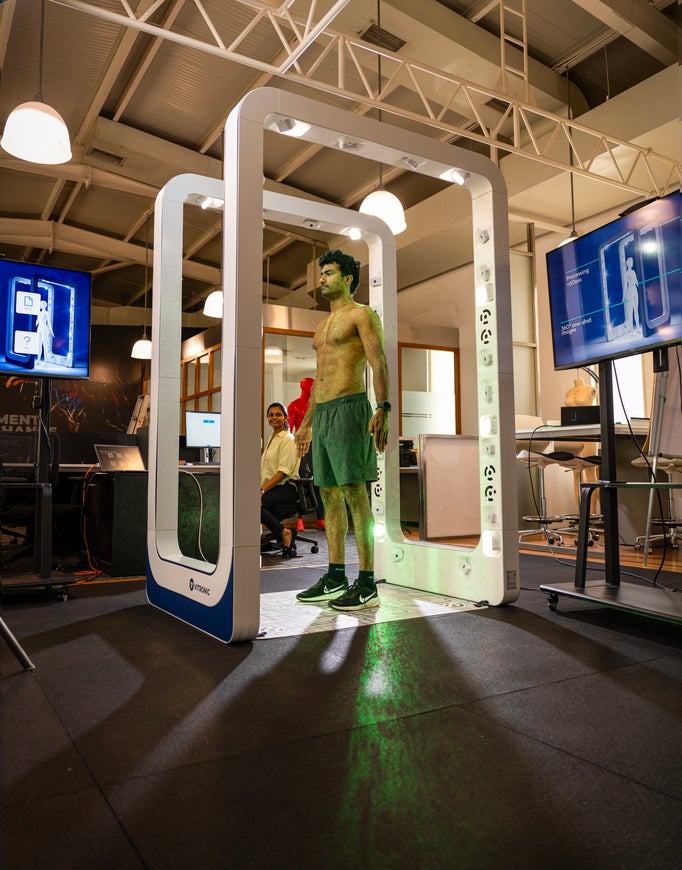
Conventional fabric testing tells you how a material behaves in a lab. But it says almost nothing about how it actually feels to wear on a moving, sweating human body. That gap is costing brands. MAS’ Bio Nova Labs is pioneering a more subjective yet scalable approach to testing functionality and comfort.
A garment can pass every lab test and still fail the person who wears it.
Even if a garment scores well on tensile strength, moisture wicking, or abrasion resistance, the results can change when a body bends, stretches, compresses, and sweats over several hours. The material on its own can be well tested, but in use, garments ride up, trap heat, and can lose their shape by the third wash.
This gap between what a fabric is tested to do and what the wearer experiences has become an increasingly expensive problem for brands.
In the UK alone, poor fit and unmet performance expectations sent 23 million garments to landfill or incineration in a single year (The Industry. Fashion, 2022). Each began as a product that worked- on paper.
The pressure is no longer only commercial. Retail buyers and regulators increasingly want performance claims that are proven rather than asserted, and the testing market has grown to meet them. In 2024 alone, the market was valued at US$5.5bn and is expanding at more than 7% per annum. The ability to substantiate a claim is turning from a sales advantage into a fundamental pre-condition.
Spotting the gap early, South Asia’s largest apparel tech manufacturer, MAS, commenced on-body validation in 2018. As demand for advanced testing grew, BioNova was first established and centralised into a dedicated function in 2022. By 2023, they launched their own dedicated facility in Sri Lanka. Its purpose is narrow, but its impact is broad: to measure across MAS’ product portfolio what happens after the swatch leaves the machine and reaches the body.
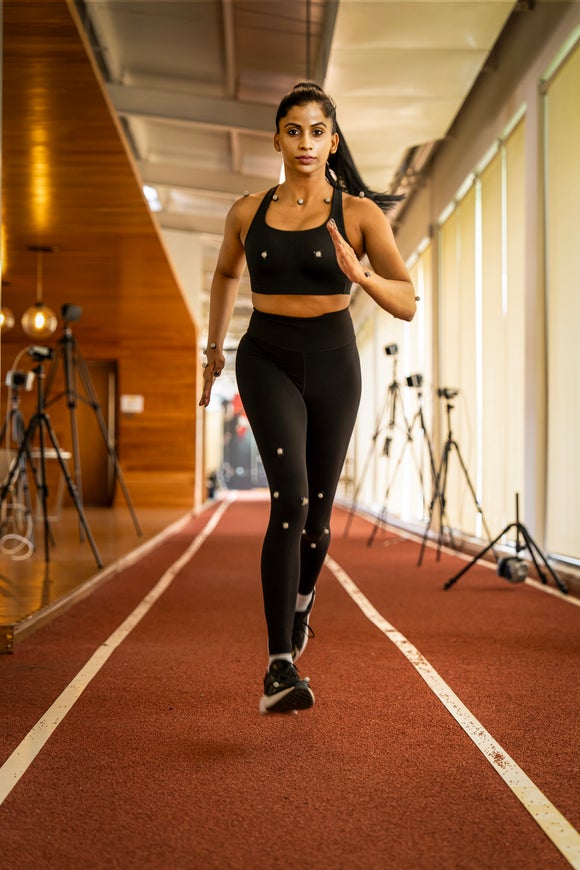
The science behind the test
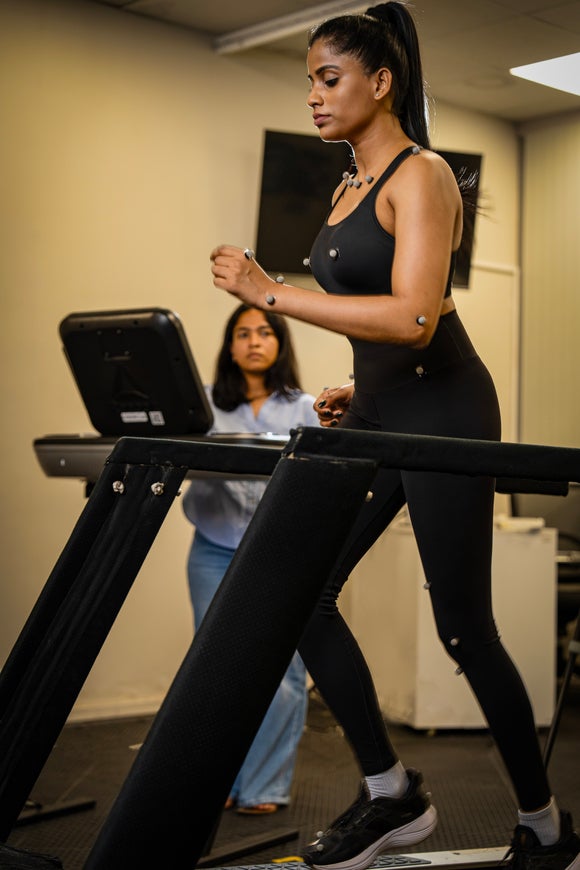
Bio Nova measures on-body performance across three wearer experiences: how a garment fits and feels at rest, how it performs once the body is moving, and how it manages heat and moisture as conditions change. The same garment is judged in multiple conditions — static, dynamic, and thermal.
To measure them, the lab borrows instruments from fields that already pioneered technologies that read human bodies with precision.
Thermal sensing adapted from high-precision industrial settings maps how heat moves across a garment on the body. Three-dimensional scanning drawn from automotive engineering captures how a garment reshapes the body under load. Pressure mapping and soft-tissue analysis from medicine and biomechanics convert the loose language of comfort into a measurable unit.
Then the harder part. Proprietary algorithms correlate the sensor data with structured feedback from fit models, so the instrument reading and the human response describe the same moment. A number on its own proves nothing if the wearer cannot feel the difference it claims to measure.
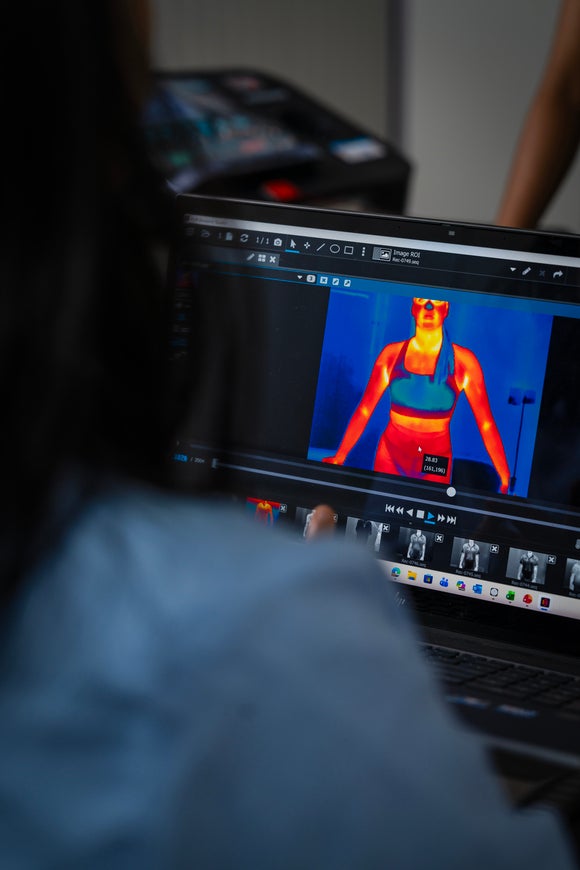
“It doesn’t matter what our reading says unless the person wearing the garment can actually feel it. The human experience has to validate the data.” Thiran Sellahewa, deputy general manager and biomechanical engineer at Bio Nova Labs, said.
The compounding advantage
Bio Nova tests across the full span of next-to-skin products MAS develops, with roughly 40% of its work sitting in performance wear, where the body is under real physical load and strain. The other 60% covers athleisure and loungewear, where the demand is around sustained comfort over hours rather than output under strain. Two distinct categories with their own sets of parameters are all catered to in one lab.
Four years and more than 30 brand engagements later, the single most valuable asset that Bio Nova has produced is its proprietary on-body performance database that spans categories, use cases and consumer profiles. The lab also benchmarks products already on the market, which gives MAS’ product teams a grounded read on how their solutions hold up against the wider field rather than against their own previous attempts.
“Because we test across so many categories and garment types, we start to see patterns you simply cannot see if you are only looking at one category at a time.” Thiran Sellahewa, deputy general manager and biomechanical engineer at Bio Nova Labs, said.
Despite this breadth, Bio Nova also ensures that each customer’s test data is segregated and held in a silo, with no overlap or sharing between brands. Every engagement is governed under an NDA and its own data-protection protocols. While category-level patterns inform MAS’ thinking, brand-specific data never leaves the room.
Built in, not bolted on
Traditionally, most testing occurs at the end of production, as a final gate for a product to either clear or fail. Bio Nova works the other way.
It enters at conceptualisation, helping define what a product should do for the wearer before design decisions harden. It stays through development, running iterative testing across successive versions and closes at manufacturing validation, confirming that the garment’s performance survives at scale.
Being located inside MAS’ own ecosystem removes the lag that usually sits between insight and action. Testing, iteration and re-testing run inside the same development sprint rather than across weeks of shipping samples to a third party and waiting for a verdict.
The commercial effect is fewer iterations, faster time to market, and a stronger evidence base for the story brands carry to their own retail partners. A brand developing a next-to-skin performance garment can move from prototype assessment to validated, data-backed performance evidence inside a single development cycle.
Performance claims now face scrutiny from two directions at once: consumers who return what fails them, and retail buyers and regulators who want evidence before a product reaches a shelf. The cost of guessing wrong lands at both ends — in returns at the back, in lost shelf space at the front.
The brands that hold their ground will be the ones that can show the evidence before a design is locked, not after the returns start arriving. That moves on-body testing from a quality check at the end of the line to a decision made at the start of it.
As part of MAS, BioNova Labs combines scientific research, advanced testing capabilities, and deep apparel expertise to help brands develop products with validated functionality, comfort, and performance. We welcome brands, suppliers, and technology partners to collaborate with MAS and BioNova Labs to drive the next generation of evidence-based apparel innovation.
Reach out to bionovalabs@masholdings.com for enquiries.