
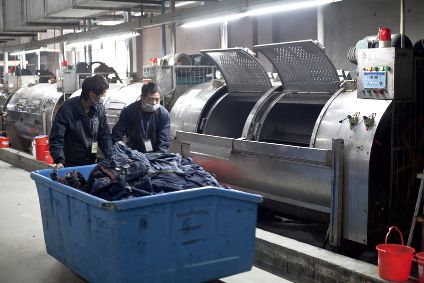
A new handbook has been launched to help clothing and textile companies to reduce the use of water, energy and harmful chemicals during the wet processing stage.
Produced for the Dutch Agreement on Sustainable Garments and Textile (AGT) by NGO Solidaridad, the ‘Wet Processing Guidebook‘ gives companies practical tools on how to map the so-called wet processes – including the dyeing, printing and treatment of textiles – and how to significantly reduce their impact on the environment.
Go deeper with GlobalData

Discover B2B Marketing That Performs
Combine business intelligence and editorial excellence to reach engaged professionals across 36 leading media platforms.
Tackling water, energy and chemicals is among top priorities for companies within the Dutch AGT, but many find it hard to identify the first steps to improve their wet processes.
“Next to social dilemmas, the use of water, energy and chemicals in the textile supply chain entails big risks for workers and the environment. Often companies lack knowledge due to the technical aspects of this subject,” says Tamar Hoek, senior policy advisor sustainable fashion at Solidaridad.
The guidebook addresses this by showing good and bad practices and providing solutions, for example on how to reduce water usage, and suggests alternatives for the usage of harmful chemicals so companies can make an impact in their supply chains.
It is freely available on the AGT website, and explains the impact of the different wet processes on the environment and guides companies to more sustainable alternatives. There are extensive explanations, images, videos, questionnaires, contact details of experts, and practical tools for companies to train suppliers to start improvement programmes.
AGT signatories include C&A, de Bijenkorf, Esprit, G-Star Raw, Hunkemöller, Kings of Indigo and O’Neill Europe, along with trade associations, unions, NGOs and the government. The aim is for at least 80% of the Dutch garment and textile sector to support the agreement and work towards an improvement in working conditions and wages in textile producing businesses as well as in animal welfare and environmental protection.
The handbook launch comes as separate research describes wet processing as the weak link in fashion supply chains, and looks at water-related risk for investors.



