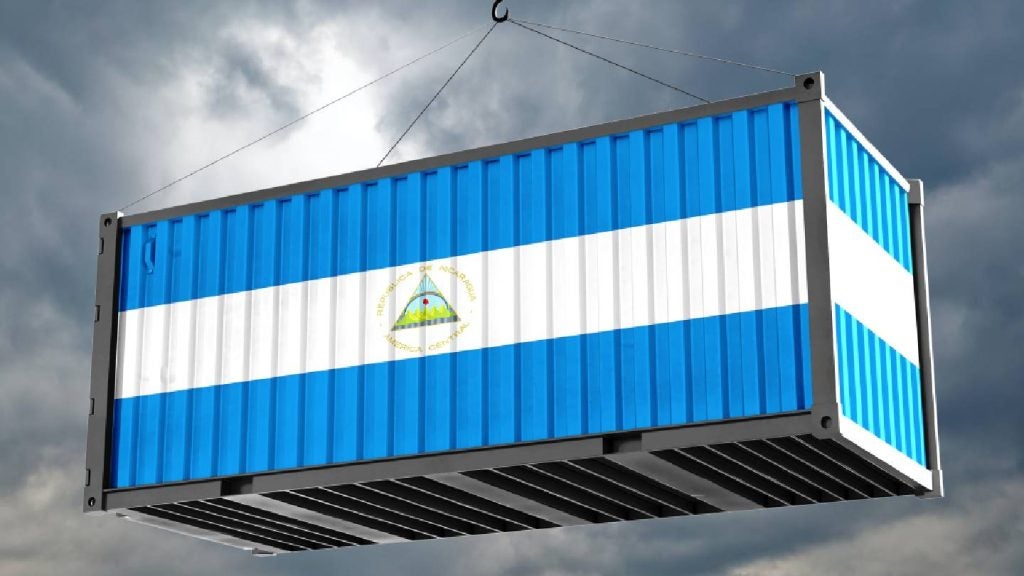
The USTR outlined a schedule under which the tariffs will start at zero percent in 2026, rise to 10% from 1 January 2027, and reach 15% at the beginning of 2028.
These tariffs will be levied in addition to an existing 18% Reciprocal Tariff Rate enacted by US President Donald Trump earlier this year and any Most Favoured Nation tariffs where applicable.
The phased tariff plan is based on findings from a USTR investigation that included more than 2,000 public comments and consultations with government agencies and specialist advisers.
The USTR determined that Nicaragua’s acts, policies, and practices relating to labour rights, human rights, and rule of law are unreasonable and burdens or restrict US commerce.
However, the American Apparel & Footwear Association (AAFA) expressed support for the Office of the US Trade Representative’s (USTR) decision to exclude the Dominican Republic-Central America-United States Free Trade Agreement (CAFTA-DR) qualifying goods from the newly announced Section 301 tariffs on Nicaraguan imports.
AAFA President and CEO Steve Lamar said: "We support the USTR’s decision in choosing not to impose additional tariffs on CAFTA-DR qualifying goods as part of the section 301 investigation. This approach allows the US to hold trading partners accountable to address unfair practices that harm US workers and businesses, while still safeguarding free trade agreements that are essential to our economy. CAFTA- DR directly supports tens of thousands of American jobs in our industry, with Nicaragua playing a major role in the production of textiles and apparel.”
The AAFA’s support follows its participation in a joint industry letter submitted in November, which outlined recommendations regarding potential actions under the Section 301 investigation.
In the letter, which was also signed by the National Retail Federation, Retail Industry Leaders Association, and the United States Fashion Industry Association, the groups urged the USTR to avoid broad measures that could “further destabilising the region and disrupting supply chains”.