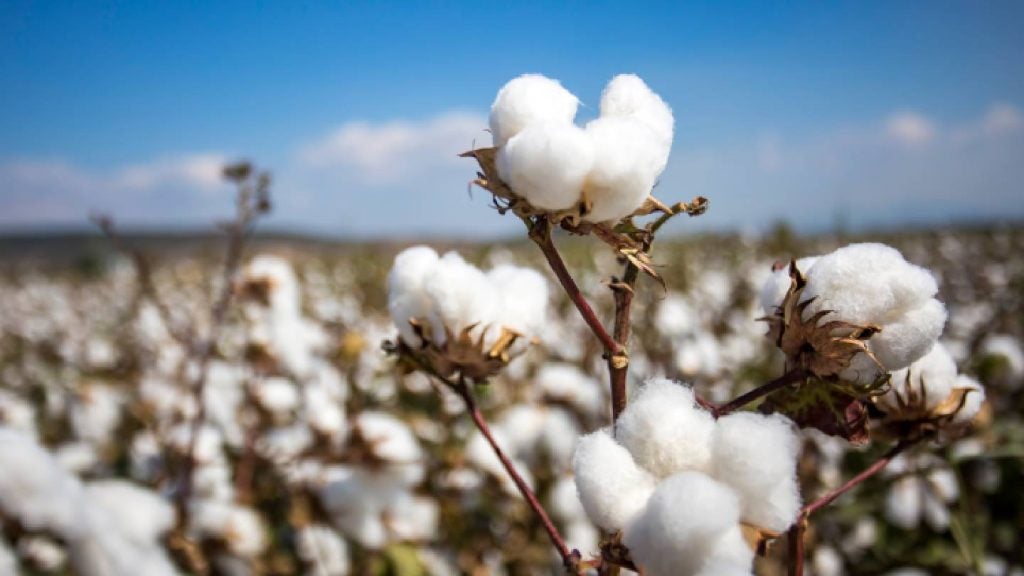
The survey, which polled over 7,000 consumers from China, Germany, India, Italy, Mexico, the UK, and the US, found that 85% of respondents view cotton as environmentally safe, the highest ranking among natural fibres.
Following cotton, wool was considered safe for the environment by 81% of participants, with silk and hemp earning votes of confidence from 76% and 69% of respondents, respectively.
In contrast, only 43% of those surveyed regarded man-made fibres such as rayon/viscose, Lycra/spandex, polyester and nylon as safe for the environment.
The findings reveal rising consumer awareness of microplastic pollution, with 45% of global respondents expressing awareness of microplastic waste in oceans, a substantial increase from 27% in 2017.
Recognition of the microplastic issue was highest among Indian consumers at 56%, and lowest among respondents from Mexico at 39%.
Others reporting higher-than-average awareness included China at 47%, Germany at 46%, and both the UK and Italy at 44%, according to the survey.
Most respondents demonstrated awareness that common synthetic fibres contain microplastics: 62% identified polyester, 59% nylon, and 55% Lycra/spandex as sources.
Cotton Incorporated brand partnerships director Andrea Samber said: “The global Plastic Free July movement provides an important opportunity to highlight consumers’ growing awareness of cotton’s environmental benefits. The vast majority of respondents correctly identified cotton as a safe choice for the environment, while awareness around microplastic pollution in our oceans has risen significantly since 2017.”
Sustainability considerations continue to exert a strong influence on consumer behaviour. The survey found 84% of respondents are motivated to take sustainable action, and seven in ten said sustainability impacts their clothing shopping choices.
Shoppers’ definitions of sustainable purchasing are shaped by material type, engagement in practices like recycling, and price.
According to the data, 60% of consumers said they are likely to pay more for sustainably produced clothing, with stronger sentiment among Gen Z and Millennials.
Cotton Incorporated also highlighted that its Cotton Lives On recycling programme, which works with UK fashion brands and retailers including Margaret Howell, PAIGE, Whistles, Hobbs, and The White Company.
The programme diverts old cotton garments from landfill and transforms them into roll mats for individuals at risk of homelessness.
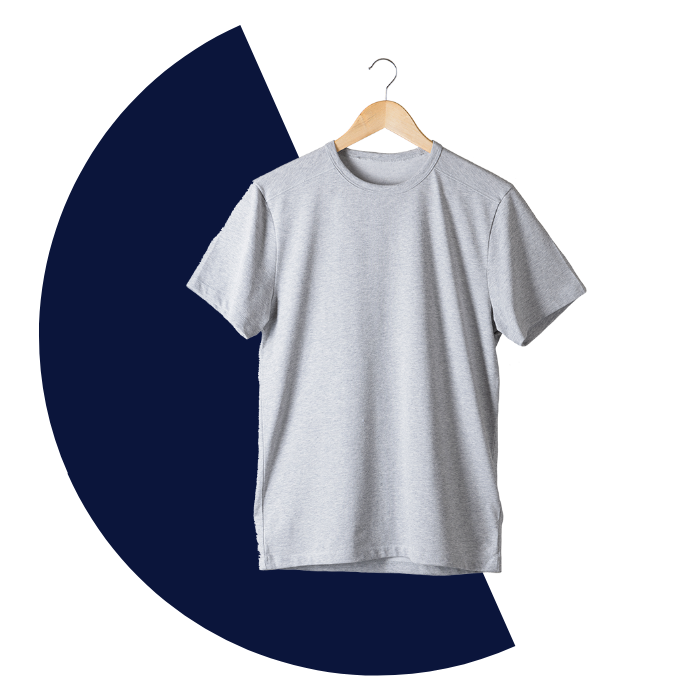
According to the company, about 8,000kg of cotton has been collected in the UK, contributing to more than 100 roll mats, each using the fibre from around 45 cotton T-shirts.
“Responsible management of all textile waste remains essential. Through the Cotton Lives On recycling programme, we encourage brands to recycle old cotton products, helping to keep valuable natural fibres out of landfill,” Samber added.
The global consumer sustainability survey, carried out in 2026, builds on previous Cotton Incorporated research from 2017 and 2021, showing a marked increase in environmental awareness and preference for natural fibres like cotton.