

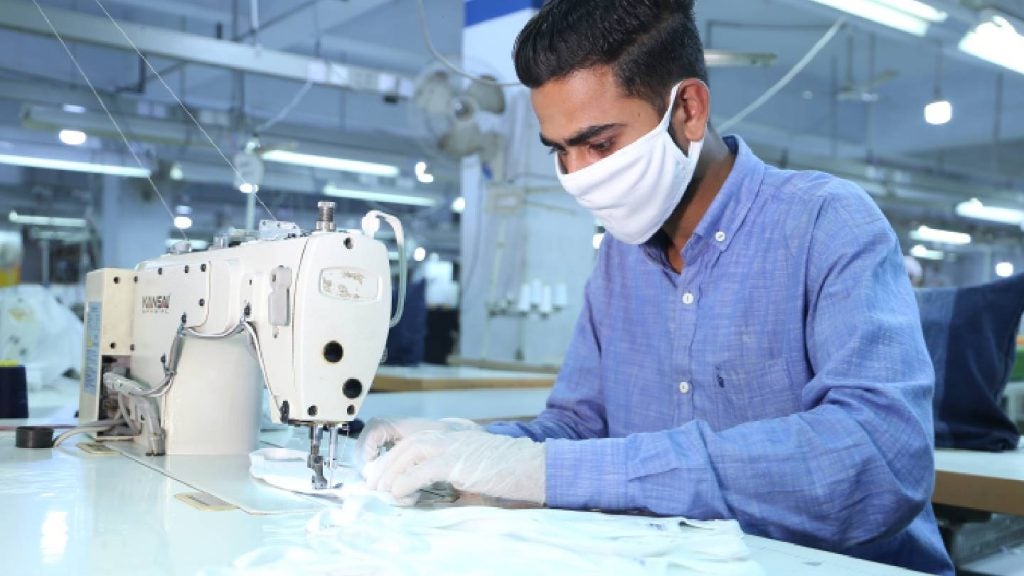
The report, “They Don’t See What Heat Does to Our Bodies”: Climate Change, Labor Rights, and the Cost of Fashion in Karachi, Pakistan, is based on interviews with workers and research conducted by Cara Schulte, a CRI researcher and doctoral candidate at the University of California, Berkeley.
Workers are subject to “severe physical, mental, and financial hardship in dangerously hot workplace conditions,” CRI said.
According to the report, Karachi frequently records outdoor temperatures above 38-40°C, with some areas in Sindh province exceeding 52°C. CRI documents that conditions inside factories and textile mills are often hotter than outside due to machinery, limited ventilation, and dense working environments.
Workers reportedly faced symptoms such as nausea, dizziness, blurred vision, muscle tremors, and injuries linked to excessive heat.
Muhammad Hunain, a factory worker quoted in the report, described working during outdoor temperatures of up to 45°C and said: “You can imagine how much hotter it becomes inside, where machinery, bodies, and fabric all trap heat.”
Accounts from other workers included “frequent fainting” or witnessing “colleagues collapse” on the job.
The investigation used open-source research to trace supply chains from Karachi’s factories and mills to major fashion and home goods brands with export markets in the US and Europe.
Schulte said: “The fashion industry’s role in driving both overconsumption and global emissions is well-documented. And now some of the biggest household names in fashion and home goods are fuelling and then ignoring new dimensions of occupational risk brought on by climate change. These companies are effectively turning a blind eye as workers across their supply chains continue to suffer and collapse in the heat.”
The report also details labour rights issues compounding heat risks. Workers described forced or unpaid overtime; limited recovery breaks; insufficient access to drinking water or sanitation; and fear of wage deductions or retaliation for resting or refusing overtime.
Some reported water sources at factories were “muddy” or “too hot to touch.”
CRI released its findings as discussions continue over the renewal of the International Accord’s Pakistan Country-Specific Safety Program.
The Accord has not previously treated extreme heat as a central workplace risk, so related abuses have not been covered by its inspections, which have focused on other hazards.
Earlier in the year, CRI and 44 partner organisations called for the Accord’s mandate to include climate-related dangers such as heat.
On 12 September 2025, the Accord’s committee indicated that heat stress would now be considered within its inspection framework, with plans to develop a protocol for addressing it.
The findings from Karachi also follows CRI’s previous investigation in Dhaka, Bangladesh, and studies conducted in other garment centres throughout South Asia, revealing a recurring pattern of workplace abuse aggravated by a lack of adequate climate safeguards.