

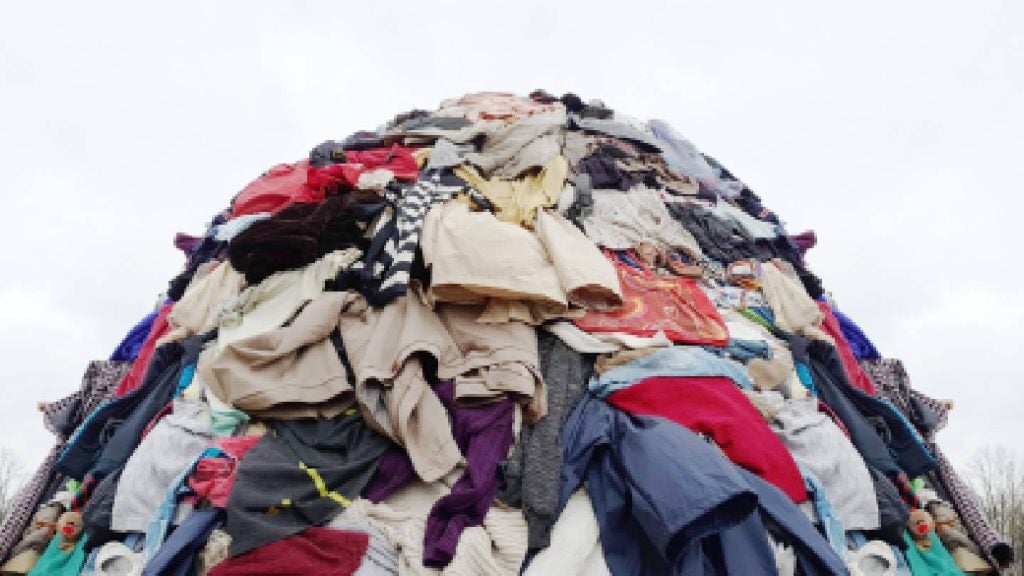
According to estimates, between 4% and 9% of unsold textiles across Europe are destroyed each year before being worn, generating around 5.6 million tonnes of CO2 emissions annually.
Under the Ecodesign for Sustainable Products Regulation (ESPR), large companies will be prohibited from destroying unsold textiles starting from 19 July 2026, with this requirement extending to medium-sized firms in 2030.
The ESPR also requires businesses to disclose data on discarded unsold consumer products. These disclosure rules will apply to large companies immediately and to medium-sized companies from 2030.
To enforce compliance, the Commission has introduced Delegated and Implementing Acts.
The Delegated Act details specific exemptions where destruction may be permitted, such as in cases of product damage or safety concerns, with national authorities responsible for monitoring compliance.
The Implementing Act sets out a standardised reporting format for disclosure of discarded goods volumes, taking effect in February 2027.
A statement from the Directorate-General for Environment said the rules are intended to “cut waste, reduce environmental damage” and “create a level playing field” for companies adopting sustainable business models.
These measures would enable businesses to benefit from “a more circular economy”, it said.
The Commission advised companies to avoid discarding unsold products by improving stock management, processing returns, and considering options including resale, remanufacturing, donation, or reuse.
Environment, Water Resilience and a Competitive Circular Economy Commissioner Jessika Roswall said: “The textile sector is leading the way in the transition to sustainability, but there are still challenges. The numbers on waste show the need to act. With these new measures, the textile sector will be empowered to move towards sustainable and circular practices, and we can boost our competitiveness and reduce our dependencies.”
Commenting on the update, Aimee Campanella, Development Director, Textiles EPR at Reconomy, said: “For brands and retailers, these rules are a clear signal that linear take-make-dispose models are being phased out. Circular solutions can be challenging to implement in practice, but this ban, combined with Extended Producer Responsibility for textiles, which makes producers responsible for the full lifecycle of their products, will push the market towards better design, better data and better end-of-life management. Those that move early on resale, reuse, repair and high-quality recycling will be better placed to manage compliance risk and protect brand reputation in a more circular textiles sector.”
This system encourages consumers to return recyclable garments by offering financial incentives and sending notifications directly to producers when items require waste management.