

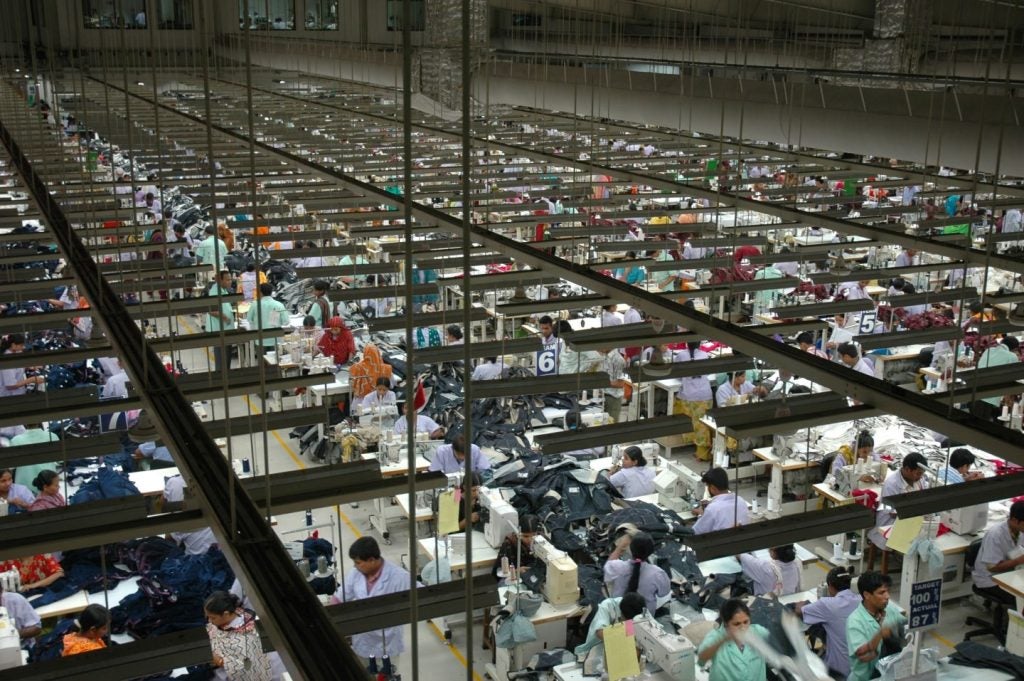
FLA’s new guidance offers a “strategic approach and concrete recommendations” informed by labour rights standards and frameworks, including its work with the Responsible Purchasing Practices Working Group. It is based on FLA’s learnings from evaluating over 50 companies’ responsible purchasing and production practices over the last decade; insights gleaned from conversations with buyers; and more.
“Purchasing decisions directly influence working conditions in supply chains,” said FLA vice president of research & development in social compliance Tiffany Rogers. “Cost negotiations, payment terms, and lead times are just a few of the elements companies must consider in light of their impact on workers. Our latest guidance is designed to help businesses develop clear processes for working responsibly with suppliers that avoid creating risks for both workers and business operations.”
Just Style coverage yesterday on the back of data from ESG ratings agency EcoVadis, revealed most UK retailers currently have no mechanism in place for workers to safely report labour rights abuse. EcoVadis assessed nearly 3,000 suppliers to UK retailers, 242 of which were based in countries classified as high risk for labour and human rights abuses.
While 72% of these suppliers had a written human rights policy in place, 56% had no formal channel available for workers to safely report labour-rights issues such as unpaid wages, harassment or forced labour conditions.