
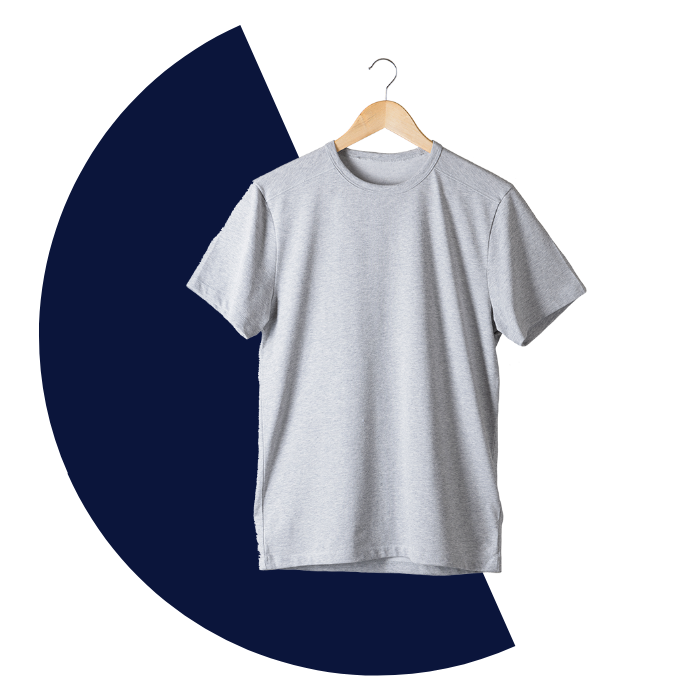
The report found that 72% of users had changed clothing sizes, while a further 46% had fully or partially changed apparel brands, most commonly because of new fit and sizing requirements.
The changes extend beyond replacement purchases, with users buying athletic wear, fitted tops and swimwear they had previously avoided.
The findings point to changing demand across apparel categories as consumers adapt to weight loss.
EY-Parthenon Americas retail sector leader Will Auchincloss said: “With nearly three-quarters of users reporting new clothing sizes and almost half switching apparel brands, these shifts create meaningful implications for merchandising, inventory planning and customer acquisition. Retailers that recognise these shifts early have an opportunity to build deeper relationships with consumers during a period of significant lifestyle change.”
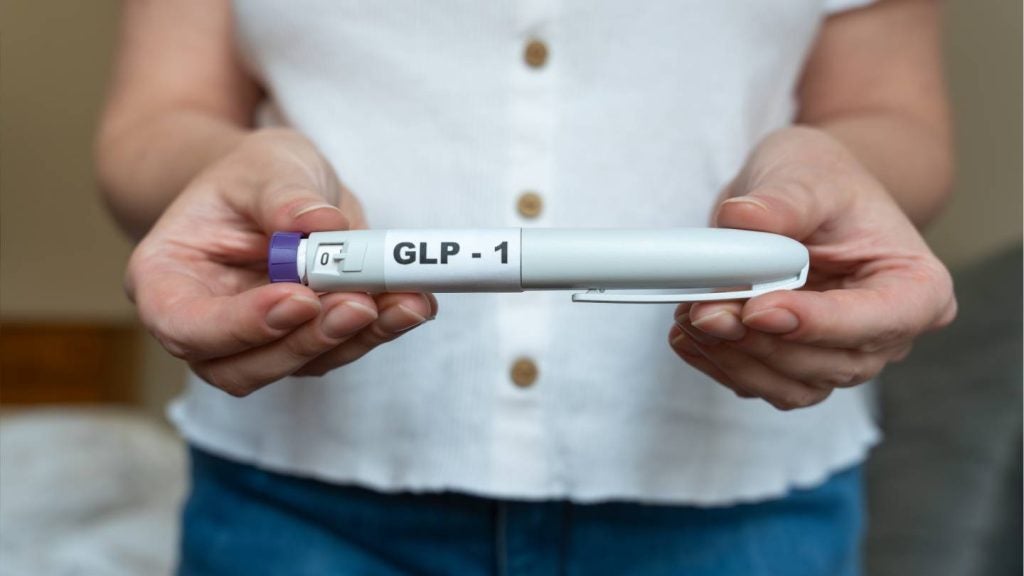
The report found that 54% of US GLP-1 users now take the medication primarily for weight management, making it the most common reason for use ahead of diabetes and other health conditions.
The report also identifies six distinct GLP-1 consumer personas, highlighting that adoption and behaviour changes vary significantly across users and reinforcing the need for brands to avoid a one-size-fits-all approach.
"As adoption continues to grow, brands will need to understand where demand is evolving, where consumers are reallocating spending and how to adapt their portfolios to remain relevant in an increasingly health-focused consumer environment," said Don Johnson, principal, strategy and execution, EY-Parthenon, Ernst & Young LLP. "The best-positioned companies view GLP-1s as a structural shift in consumer behaviour that will influence innovation, portfolio strategy and investment decisions."
While concerns around side effects and insurance coverage remain, the EY-Parthenon research projects that by 2033, 35%–40% of US adults will have used a GLP-1.
EY-Parthenon Americas consumer and health industry leader Katie Johnson added: “As affordability, access and awareness continue to increase, GLP-1s are changing how consumers live, shop and spend. We're seeing these medications reshape consumer behaviour in tangible ways, from food and beverage choices to wellness, fitness and discretionary spending. This shift is creating a ripple effect across the consumer products and retail landscape.”
EY-Parthenon conducted its third annual GLP-1 Consumer Survey between March and May 2026, gathering responses from 14,883 people in the general population and 3,602 current or former GLP-1 users.
The research assessed trends across apparel, snacking, dining and drinks, comparing findings with 2024 and 2025 surveys.