

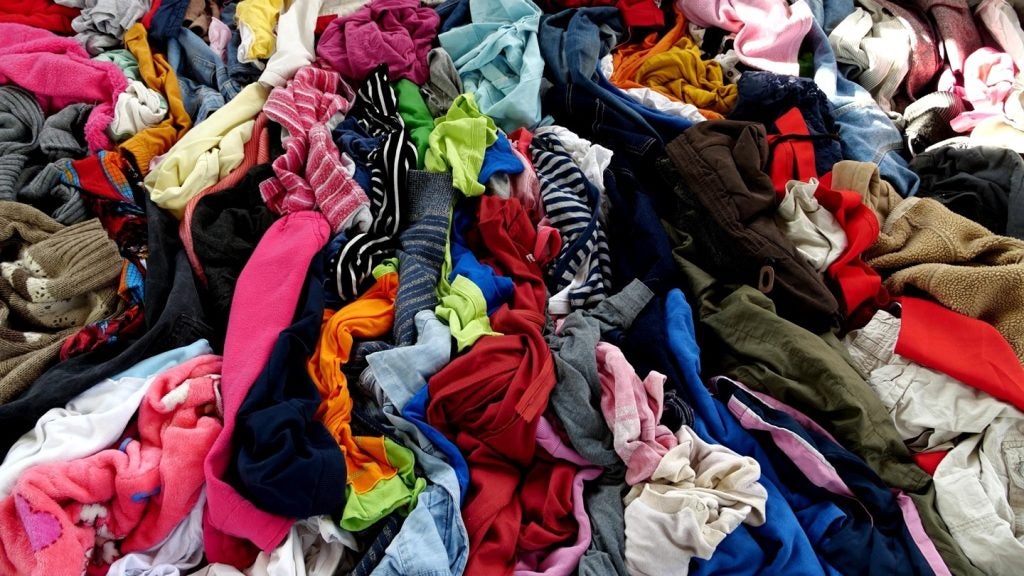
The research identifies “widespread overproduction” and the dominance of inexpensive, lower-quality garments with reduced longevity as major contributing factors.
According to the research, unworn clothes reduce garments’ “perceived value” and discourage maintenance, repair, and reuse. Consequently, these garments are often discarded, generating waste comparable to that sent directly to landfill.
In addition, it is highlighted that industry progress on circular initiatives is slow, with most schemes struggling to move beyond pilot stages.
The study identifies the lack of consistent regulations and circular design standards across markets, which creates further complexities for international brands and retailers developing their own strategies.
The research revealed that efforts to expand circular business models have also stalled due to “unsuitable infrastructure, poor data availability and lack of long-term financial investment”.
To address the issues, the research outlines eight recommended focus areas, including:
- Creating a harmonised and aligned policy framework across different markets
- Providing access to robust, decision-grade data to support circular reporting and compliance
- Designing and scaling effective takeback and reuse schemes
- Expanding sortation and recycling capacity
- Building a clear business case for investment in circular infrastructure
- Establishing a consistent, data‑driven operating model for textile circularity across the ecosystem to define what good looks like
- Promoting collaborative, cross-industry approaches
- Supporting and empowering consumers to participate in circular systems
Reconomy Textiles EPR development director Aimee Campanella said: “While brands and retailers recognise this is a business-critical issue and want to accelerate circularity, too many structural barriers stand in the way of adopting solutions that work at scale. We hope this research provides the industry with a better understanding of the barriers and what needs to change to help the sector move beyond pilots to viable circular systems that help the sector reduce waste, cut carbon emissions, while also lowering costs for businesses and strengthening profitability.”
Reconomy’s research was commissioned against the backdrop of increasing global demand for clothing and footwear, while a lack of circular practices continues to drive unsustainable waste generation and carbon emissions.
An estimated 120 million metric tonnes of textile waste were generated globally in 2024, with around 80% sent to landfill or incineration.
The study was carried out by independent sustainability consultancy Sancroft, drawing on extensive research and in-depth stakeholder interviews across the textiles ecosystem.
Last month, Reconomy joined ReHubs, a European alliance focused on expediting the shift to a circular textile economy.