
Linnworks collected input from 500 retailers in the two nations, all operating within the mid-market ecommerce sector with annual revenues ranging from $7.5m to $100m.
The findings show that growth is widespread, with 89.6% of UK retailers and 88.8% of US retailers reporting moderate to significant year-over-year growth, though “scalability is selective.”
The report further highlights that scalability is closely tied to increased automation and maturity across multiple sales channels.
Linnworks CEO Jon Bahl said: “As retailers navigate the ever-evolving ecommerce industry, one thing remains clear: growth and operational maturity are inseparable. Our new survey data sheds light on the ongoing growth of the market while providing clients with strategies for scalability and progress.”
Inventory visibility emerged as a significant issue, as per the report, with only about one-third of respondents reporting having excellent visibility across all channels and warehouses.
The findings highlight that inaccuracies in inventory tracking, fulfilment execution, and inconsistent system reliability are common challenges as businesses expand across different markets.
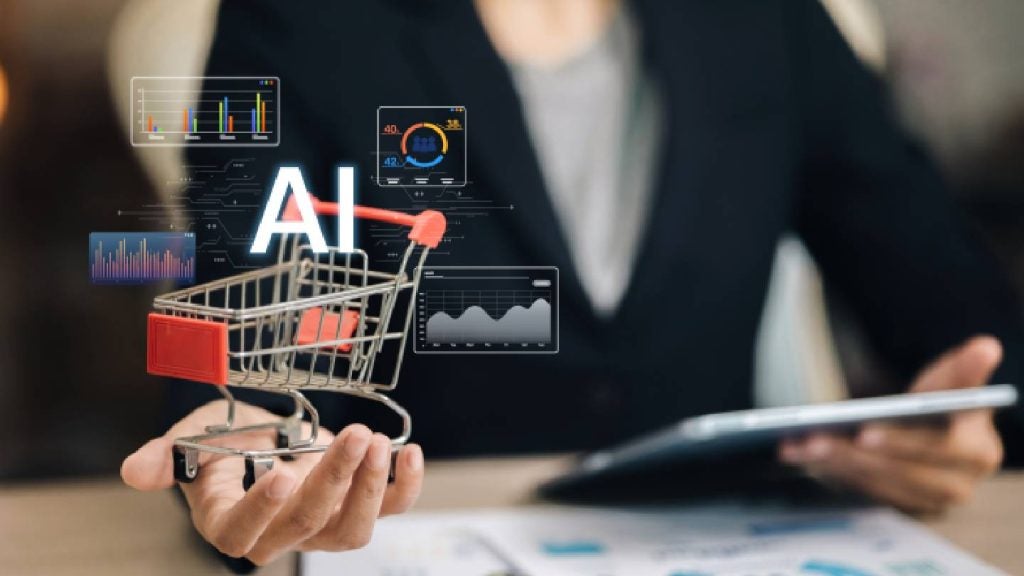
Linnworks’ data also reveals that the adoption of AI continues to shift from “nice-to-have” to essential. More than half of surveyed companies reported using AI chatbots for customer support, with 60.8% in the US and 54.8% in the UK.
The study shows that over 95% of retailers currently use AI in their operations, with most respondents indicating plans to further expand its use in 2026 if they identify “effective” applications.
The technology is also being expanded in other business areas such as demand forecasting, inventory management, marketing optimisation and fraud prevention.
Automation was cited as standard practice rather than a differentiator within these organisations. In the UK, 64.8% of businesses reported that operations were majority or highly automated and in the US, this figure stood at 60%.
However, differences in the depth of automation implemented are reflected in organisational resilience, growth outcomes, and leadership confidence.
Logistics and fulfilment remain critical to customer experience with retailers employing multiple carriers demonstrating greater resilience during peak periods, encountering fewer disruptions, and having more flexibility to manage delivery costs and speed.