
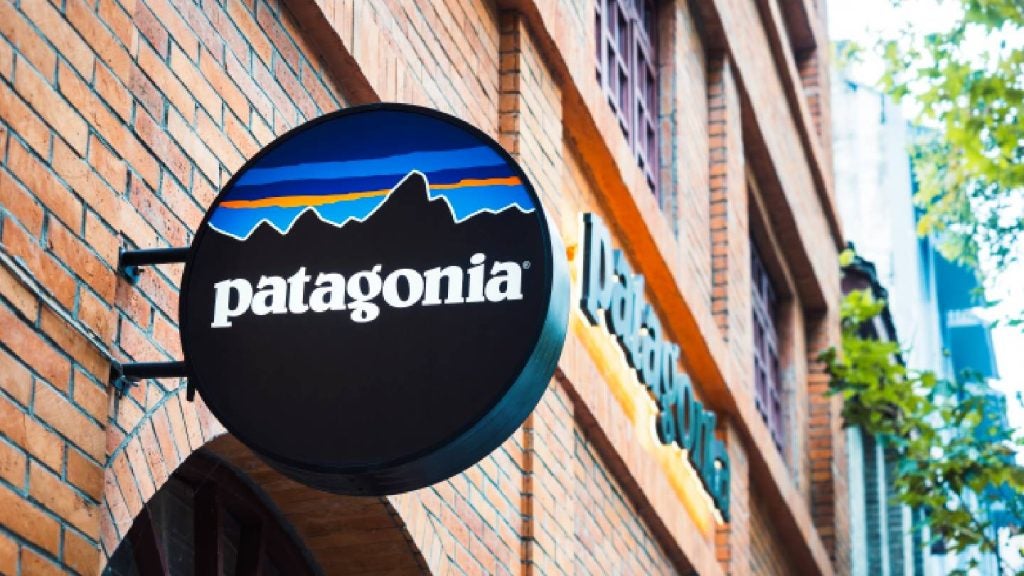
In a statement on LinkedIn, the outdoor apparel retailer said ACT aims to advance living wages through industry-wide collaboration and collective bargaining in countries where wage conditions remain challenging.
The initiative also addresses purchasing practices, labour relations and country-specific plans for wage growth.
The decision follows Patagonia’s recognition that action at individual supplier factories cannot resolve the wider factors affecting pay.
The company said wage outcomes are also shaped by national policies, market pressures, worker representation and economic conditions beyond any single supply chain.
Patagonia defines a living wage as earnings sufficient to meet basic needs such as food, water, housing, education and healthcare. However, legally required minimum wages in manufacturing countries do not always cover these essentials.
Patagonia social impact and transparency senior director Wendy Savage explained: “For years, our focus was on the actions we could take directly with suppliers and their workers. What we've learned is that lasting wage growth depends on much broader systems, including government policies and industry-wide agreements.
“ACT gives us a pathway to bring those conversations to the national level and work alongside the most critical stakeholders needed for living wages to become a reality for the industry.”
The ACT Initiative brings together brands, retailers, employers, governments, and the IndustriALL Global Union to design solutions tailored to the circumstances of each sourcing country. Its framework emphasises country-specific strategies, improved labour relations and responsible purchasing practices.
Patagonia stressed that all these key stakeholders across the supply chain need to move in the “same direction” for lasting progress.
“Achieving living wages in apparel manufacturing facilities across the globe was never going to be the work of a decade, a single company or a single strategy. It is the work of a movement,” the company said.
Patagonia set a target in 2015 for all workers in its supply chain to earn a living wage by 2025. Before establishing the target, it said it researched wage gaps and consulted Richard Anker, a former International Labour Organization labour economist, and Martha Anker, a former World Health Organization statistician who founded the Global Living Wage Coalition.
The company’s earlier work included educating suppliers, assessing potential solutions and using Fair Trade to provide direct financial support to workers making its products.
IndustriALL textile, garment, shoe and leather sector director Christina Hajagos-Clausen added: “Patagonia’s decision to join ACT sends a strong signal on the need for collective action to transform the industry for better outcomes for workers, manufacturers and brands. We look forward to our collaboration.”