
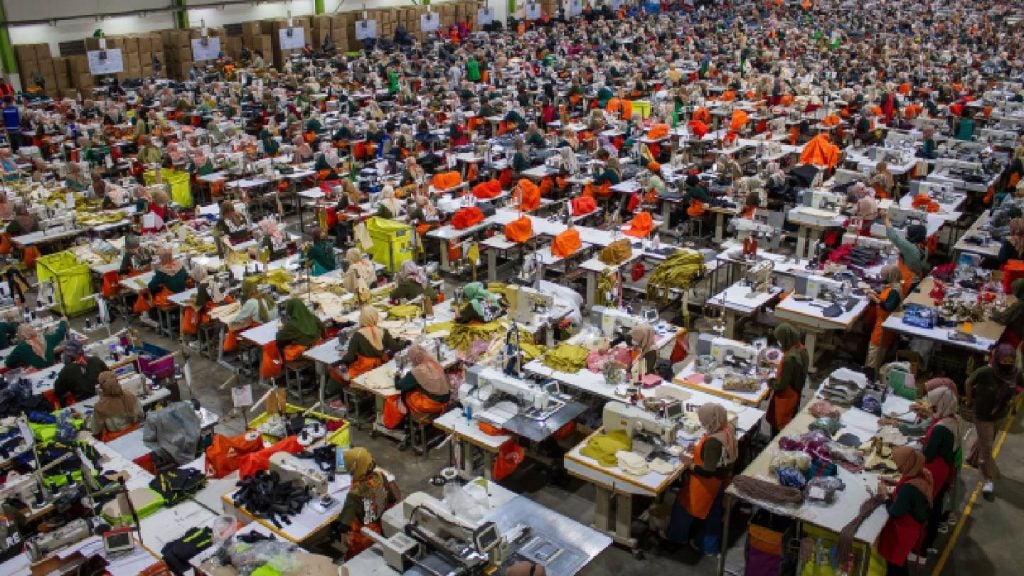
The report reveals that 69% of assessed facilities have yet to implement a climate adaptation strategy, even as 16% record indoor temperatures above 31°C, a threshold that is “dangerously close” to or exceeding recognised safe limits for workers.
The findings are based on 10,700 assessments conducted last year, covering 7.5 million workers globally. The annual report comes as SLCP marks a decade of activity and highlights ongoing stress on supply chains.
According to the data, labour conditions in 2025 did not show significant improvements compared to previous years, with external geopolitical developments contributing to mounting challenges.
In response to the increasing threat that climate change presents to workers’ safety, SLCP incorporated climate data points into its Converged Assessment Framework (CAF) in 2025.
This move aims to align with Human Rights Due Diligence requirements, acknowledging that climate-related hazards are no longer solely environmental concerns but also critical factors in workplace wellbeing.
Geographical and operational disparities are evident in the report’s findings. Larger manufacturing sites are far more likely to have climate preparedness measures in place, while small and medium-sized enterprises lag behind.
National regulation was another factor shaping practice. In Vietnam, where indoor temperature monitoring is required for specific labour sectors, 96% of facilities recorded average indoor temperatures and more than half reported having formal adaptation plans. Nevertheless, 32% of Vietnamese sites report average indoor temperatures above 31°C.
Beyond the climate dimension, the SLCP report notes a 14% increase in Tier 2 facility participation in SLCP assessments, signifying growth deeper in the supply chain and in adjacent sectors.
China maintained its position as the top country in SLCP assessment volume, while India and Vietnam recorded the highest growth in facility participation this year.
Legal compliance remains a recurring issue, with SLCP data showing that 91% of facilities recorded at least one legal non-compliance, but facilities that have used the CAF for five years showed about 20% fewer non-compliances, suggesting that repeated measurement may support improvements over time.
The organisation also reported that each assessment was shared 2.7 times on average, which it said could reduce duplicative audits and potentially redirect up to $35m toward workplace improvements.
SLCP CEO Janet Mensink said: “Looking to the next decade, SLCP remains committed to providing the credible, actionable data needed to navigate evolving global challenges, especially as climate change increasingly threatens safe working conditions. We will continue to prioritise driving decent working conditions in global supply chains, but we cannot solve these systemic issues alone. Collaboration is essential. Using the CAF to collect robust social and labour data is a critical piece of the puzzle, contributing to a collective global effort for meaningful change that directly impacts workers' lives.”
SLCP plans to launch a new version of its Converged Assessment Framework, CAF v2.0, which will further align with Human Rights Due Diligence rules, refine data collection, enhance guidance for facilities and third-party verifiers, including on climate data and streamline the assessment process.