
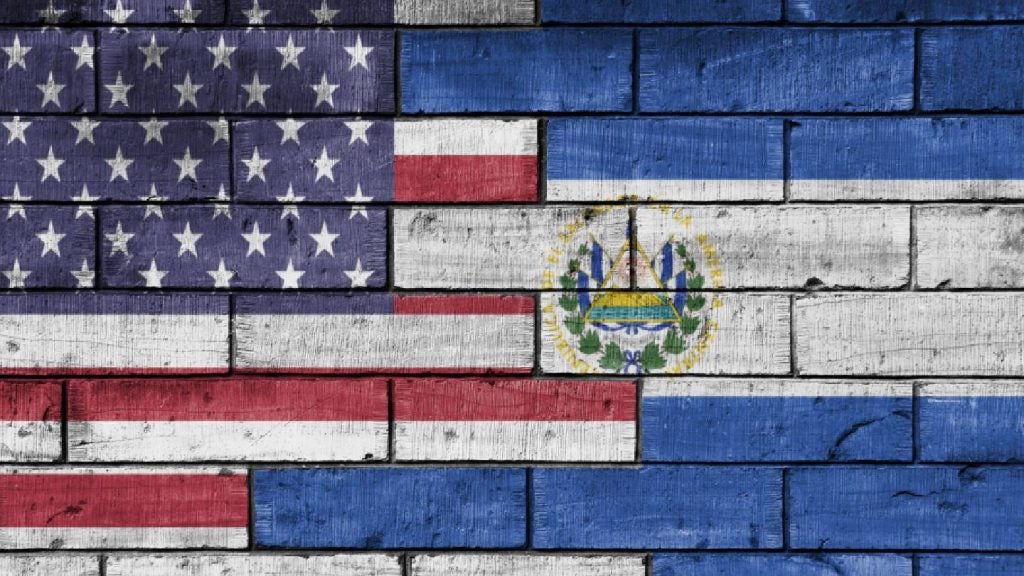
The announcement follows ongoing efforts by SMART to resolve uncertainty faced by its members regarding local interpretation of rules governing second-hand textile imports into El Salvador.
This development follows sustained engagement between US government representatives and industry stakeholders seeking to resolve challenges facing the reuse and recycling sector.
SMART stated that, for over a year, its members encountered inconsistent enforcement by Salvadoran authorities, who questioned whether second-hand garments qualified for preferential access under CAFTA-DR. These differences created uncertainty and disrupted legitimate trade flows.
In response, SMART engaged with US trade officials at the Department of Commerce and the Office of the United States Trade Representative (USTR), advocating for clear rules that reflect industry operations.
Through regular discussions during Agreement on Reciprocal Trade (ART) negotiations, SMART sought recognition that used clothing should qualify based on export origin alone.
The agreement now provides this clarification, removing earlier requirements that did not align with the structure of the reuse market.
SMART government and external affairs vice president Jessica Franken said: “This outcome represents a meaningful step forward for our members and for the broader circular economy. We are grateful to the Administration and US trade officials for their willingness to engage with our industry and deliver a solution that supports responsible reuse, recycling, and legitimate global trade.”
SMART said it will continue working with policymakers and international partners to promote policies that support reuse markets, wider access to affordable apparel, and sustainable global trade practices.