The increasing scrutiny of PFAS, often described as "forever chemicals" due to their persistence in the environment and potential adverse health effects, is driving manufacturers to seek new materials that exclude these compounds, according to a new report from Textiles Intelligence.
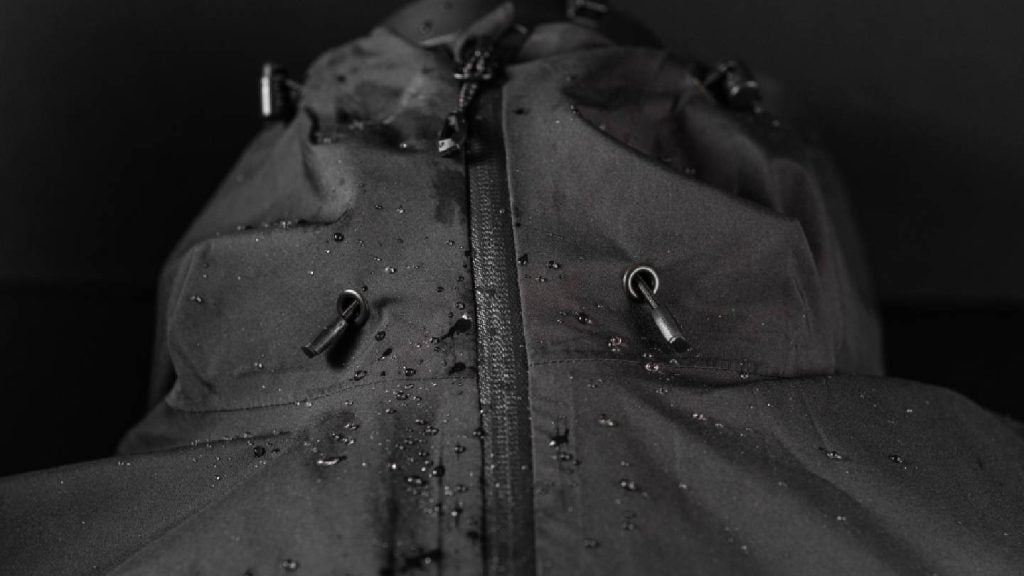
Historically, PFAS have served a dual role in outdoor apparel, forming the core of waterproof breathable membranes and providing durable water repellent (DWR) finishes to fabric surfaces.
These chemicals effectively block water penetration and promote moisture escape, ensuring comfort and protection for users facing adverse weather.
However, mounting consumer concern and evolving legislation have forced the industry to reconsider its reliance on PFAS.
The report, titled “Waterproof breathable fabrics: changing legislation is driving innovation,” highlights significant advances in alternative membranes and finishes developed without PFAS.
Notably, manufacturers are increasingly turning to options such as bio-based polyurethanes and membranes made from fluorine-free materials.
Despite these efforts, many suppliers continue to face challenges in replicating the established balance between waterproof protection and breathability historically delivered by PFAS-based technologies.
Performance requirements, the report notes, differ depending on the garment's intended use. Clothing designed for prolonged exposure to severe weather conditions demands higher water resistance compared to products for daily wear, making the transition to alternative chemistries particularly complex.
Among recent developments, W L Gore & Associates has introduced a membrane made from expanded polyethylene (ePE), providing an alternative to its original expanded polytetrafluoroethylene (ePTFE) membrane, a type of PFAS.
This move reflects growing industry efforts to adapt to the new legislative environment while maintaining performance standards.
In the coming years, Textiles Intelligence expects a “healthy rate” of growth in global demand for waterproof breathable fabrics as consumers continue to prioritise outdoor activities.
However, as legislative measures against PFAS expand, manufacturers are expected to face ongoing pressure to refine and improve non-PFAS alternatives to meet evolving brand and consumer expectations.