In a report released by Cotton Campaign members Turkmen.News and the Turkmen Initiative for Human Rights, researchers documented widespread mobilisation of public sector workers and conscripts to pick cotton or make payments to avoid field labour.
The findings allege that Turkmen authorities reversed earlier reductions in forced labour, with state employees including teachers, doctors, and utility workers again required to participate in the harvest.
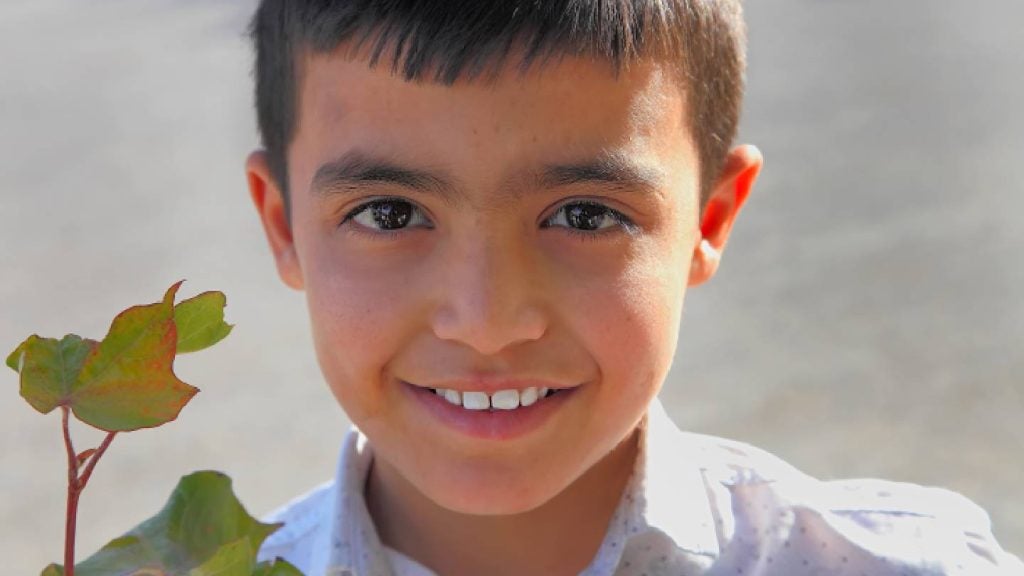
The report also cites instances of child labour, together with persistent coercion and bribery faced by farmers forced to meet government quotas.
The report's findings were consistent with the coalition's claims that forced labour in Turkmenistan's cotton sector persists.
Fifteen per cent of farmers interviewed indicated the presence of public employees, or members of the army working on their fields in 2025. This includes teachers, doctors, nurses and technical staff.
Twelve per cent of public employees interviewed reported picking cotton during the 2025 harvest. Around one in five (18 per cent) of those indicating participation stated that they had been recruited by an authority – either their employer, a government official, or the farmers’ association. Feedback from employees relating to their co-workers reinforced these findings: 7.3 per cent of public employees reported that their co-workers picked cotton, and that in 41 per cent of these cases a supervisor had told them to pick.
The heads of public institutions and state-owned enterprises provided further insight. Twelve per cent of heads reported that staff in their institutions participated in cotton picking, and 4 per cent reported that they sent staff to the harvest.
"Although small in absolute terms, this latter figure is significant because it
indicates not only participation but also a formalized practice of deploying staff to the harvest," reads the ILO report.
The coalition says cotton linked to forced labour in Turkmenistan is exported mainly to textile producers in Türkiye and Pakistan, but also reaches European manufacturers, including those in Portugal and Italy.
The US has banned all Turkmen cotton and cotton products from entering its market since 2018. Swedish fashion giant H&M placed a ban on sourcing cotton from Turkmenistan in 2016.
Turkmen.News director Ruslan Myatiev said: “The use of widespread and systematic state-imposed forced labour has a downward spiral effect on Turkmen people, who are already facing a deep economic crisis.
“Governments and international organisations, including the International Labour Organisation, should increase pressure on the Turkmen government to take concrete and meaningful steps to end this egregious practice.”
Despite Turkmenistan’s formal cooperation roadmap with the International Labour Organisation aimed at tackling forced labour, the new findings indicate official efforts to reduce the deployment of doctors and teachers have not been sustained.
Raluca Dumitrescu, senior coordinator for the Cotton Campaign Coalition with Global Labor Justice, called on governments, especially those with current or upcoming forced labour import bans, to recognise Turkmen cotton as a high-risk commodity and block its import.
“Relevant government agencies should recognise Turkmen cotton as a commodity made with state-imposed forced labour and introduce a ban against all products made wholly or in part with Turkmen cotton,” Dumitrescu said.
She added that bans should be introduced in all jurisdictions to create “a level playing field” and prompt supply chain reforms.
The coalition’s report also highlights obstacles faced by Turkmen farmers, including restricted access to irrigation and demands for bribes, which are compounded by climate change pressures such as hotter temperatures and water scarcity.
Farmers reportedly remain under state control and are required to meet production quotas despite these challenges.
Aynabat Yaylymova, director at Progres Foundation, a member of the Cotton Campaign coalition, urged the Turkmen government to introduce reforms promoting “farmers’ autonomy, as well as accountability and transparency of the agricultural sector.”
Yaylymova argued that ongoing climate change programmes funded by international partners should press Turkmen authorities to end coercive practices and involve farmers in agricultural decision-making.
The Cotton Campaign coalition has called for urgent steps from the Turkmen government and for independent reporting of labour conditions, warning that continued forced labour in the cotton sector poses a persistent risk for global buyers and brands.
Global fashion brands and retailers were previously asked to prohibit the use of Turkmenistan cotton after a 2024 report alleged state employees were subjected to forced labour during the 2023 harvest.