
The guidance, published by the Intellectual Property Office (IPO) with support from Vinted, forms part of a wider effort involving government, online marketplaces and enforcement agencies to tackle counterfeit sellers operating across resale platforms.
The move comes as the UK secondhand fashion market continues to expand, growing at around 11% annually. However, the IPO warned that rising consumer demand has also made the sector an increasingly attractive target for organised criminal groups selling counterfeit goods online.
Research released alongside the guidance found that nearly 60% of consumers who unknowingly bought counterfeit items experienced negative outcomes, including poor product quality, rapid deterioration and disputes over refunds. The findings also revealed that one in three shoppers does not check an item's authenticity before making a purchase.
Younger consumers appear particularly exposed. According to the research, 45% of 18–24-year-olds reported encountering counterfeit designer products on resale platforms, compared with 23% of shoppers aged 55–64. Separate data cited by the IPO showed that nearly seven in ten Gen Z and Millennial consumers purchased pre-loved items last year.
The IPO said many shoppers only realised an item was counterfeit after it arrived. Common complaints included poor stitching, cheap materials and inconsistent labelling. More than a third of affected consumers reported frustration at being misled, while 21% cited poor durability. 14% said the experience had discouraged them from shopping second-hand altogether.
The new guidance suggests shoppers should check an item’s authenticity before buying by:
- Looking at the seller’s profile and for positive feedback from previous buyers, check if they have a consistent listing and a history of successful transactions
- Examining photos for labels, swing tags and sizes - if the item claims to be a high-end designer piece, check the labels match what you would expect
- Checking for consistency between the photos and the description, such as the product condition and details about the brand’s features
- Checking stitching, seams, materials, and logo placement for evenness and quality when shopping in person or when the goods arrive
- Using the platform’s integrated payment method rather than transferring money directly to the seller
- Using platform verification and buyer protection tools
- Trusting their pricing instincts - genuine designer pieces rarely sell at suspiciously low prices
The guidance forms part of the IPO's "Second-hand, not second best" awareness campaign and provides practical advice for consumers assessing authenticity online.
The campaign comes amid ongoing enforcement action against counterfeit networks.
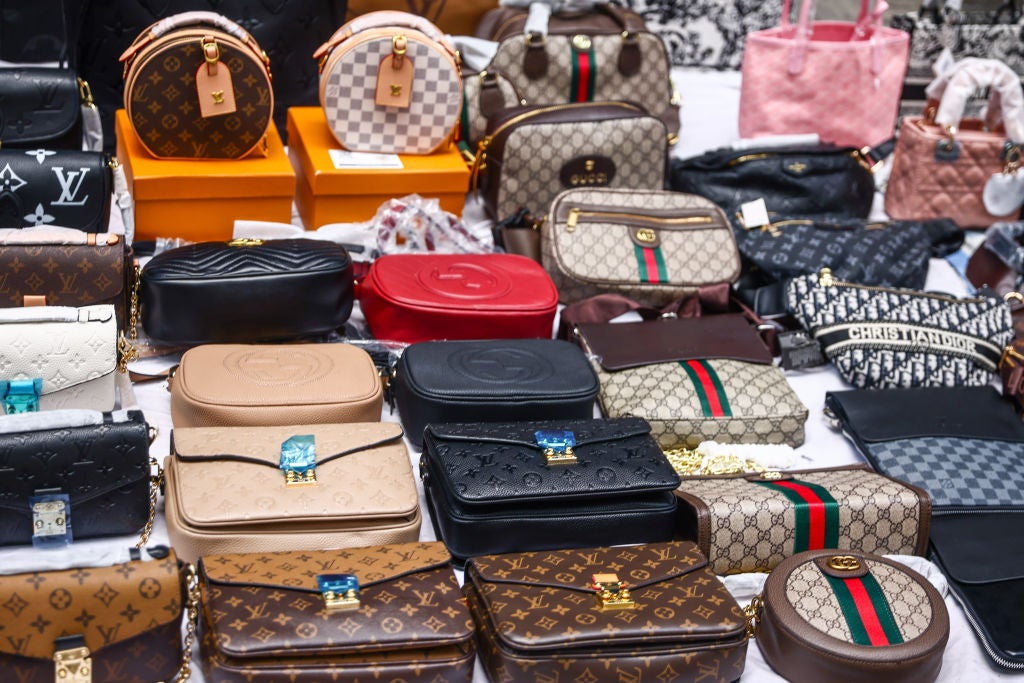
In March, Bury Trading Standards seized more than £3m worth of luxury designer goods from storage facilities during a multi-agency operation. The following month, the Police Intellectual Property Crime Unit seized more than £1.1m worth of counterfeit clothing and trainers from a warehouse in Rotherham. Officers also uncovered a further £1m worth of clothing and footwear believed to have been stolen.
Combined, the operations resulted in more than £4m worth of counterfeit luxury products being removed from circulation.
Minister for Online Safety and Intellectual Property Kanishka Narayan said: “No one should have to gamble that a good deal might be a fake deal. I’m proud that we’re working with partners right across this thriving market to help protect consumers.”
The IPO added that maintaining consumer trust will be critical as resale continues to gain momentum, with research from Vinted showing that 88% of buyers now check the platform before purchasing something new, and 76% of purchases on the marketplace replace the purchase of a new item.
Jessie de la Merced, VP corporate affairs at Vinted, added: “Trust is central to every transaction on Vinted. Tackling counterfeits is a shared challenge across online retail, which is why collaboration between platforms, government and enforcement partners is so important. We are pleased to support this guidance, which gives consumers practical advice to help them make informed decisions when buying second-hand. Alongside the detection systems, protections and verification tools already available on our platform, we hope this helps people feel even more confident choosing pre-loved.”