
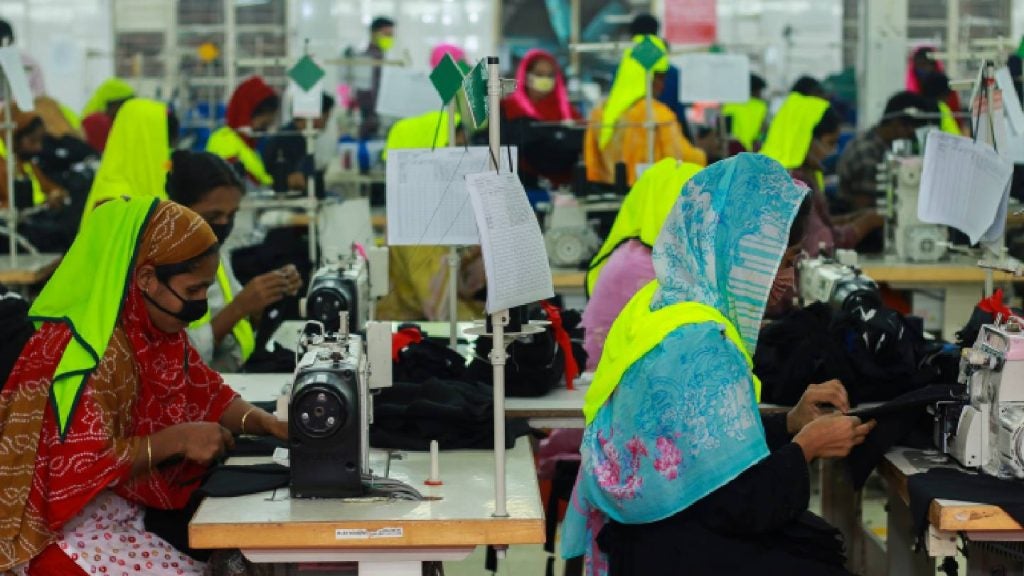
The bill, approved by the Bangladesh Parliament on 9 April 2026, introduces extensive reforms, including major changes to trade union regulations.
The amended law lowers the threshold for forming trade unions. Previously, union formation required the backing of 20% of a company’s total workforce.
Under the new rules, small companies with up to 300 workers can create a union with 20 members, medium-sized firms need 40 members, and large enterprises with more than 3,000 workers require at least 400 members.
Additional provisions in the new labour law address protections against “unfair labour practices” and “anti-trade union discrimination”.
Employers are barred from blacklisting workers or union members, influencing union activities financially or by creating employer-controlled unions, and retaliating against workers who file complaints, take part in legal proceedings, or report labour violations.
The law also establishes new prohibitions against forced labour, violence, and sexual harassment, reflecting requirements in International Labour Organisation Convention No. 190.
UNI Global Union said that sexual harassment has been defined clearly in Bangladeshi law for the first time, and institutions must form complaint committees that include female representation.
Other changes include the creation of a Workplace Accident Compensation Fund and the formation of an Alternative Dispute Resolution Authority to address the backlog of labour court cases.
UNI Global Union general secretary Christy Hoffman said: “Bangladesh has taken a major step forward for workers. The right to organise free from fear and retaliation is fundamental to safe workplaces, and these reforms strengthen the protections workers need to build collective power. We welcome this progress and expect the new labour law to be fully implemented and respected in practice.”
While UNI Global Union has welcomed the amendment, the Bangladesh Knitwear Manufacturers and Exporters Association (BKMEA), representing the country’s knitwear manufacturers, raised objections to the reforms.
The association claims that the amendments were introduced without adopting recommendations from the tripartite consultative committee, which comprises representatives of workers, employers, and the government, The Business Standard reported, citing BKMEA.
BKMEA has reportedly voiced concern that the current process may create instability and heighten tensions between factory owners and workers.