

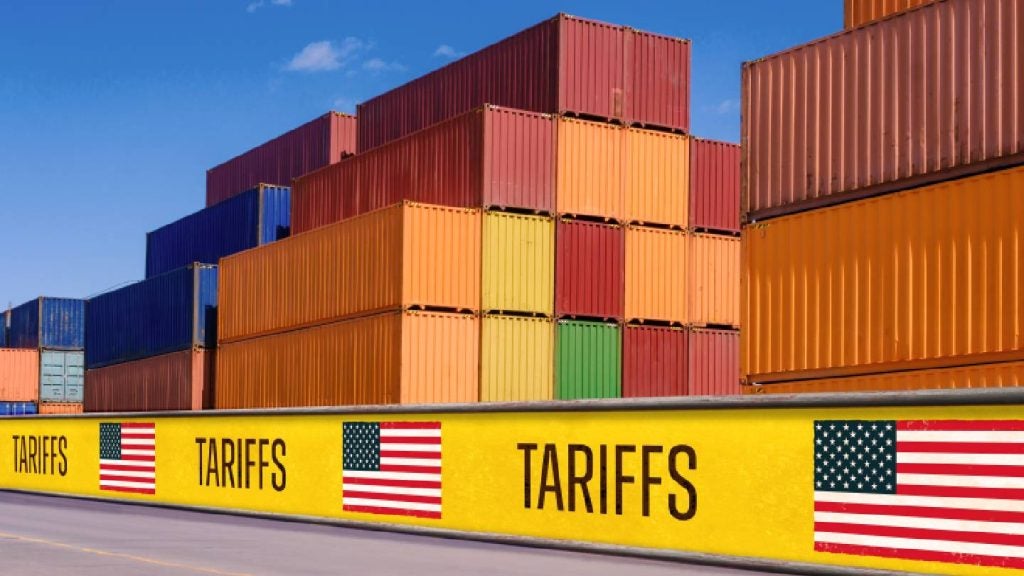
The US is currently imposing a temporary 10% Section 122 global tariff. This has been in place since February and is set to expire on 24 July.
The Trump administration is widely expected to implement new tariffs concerning forced labour as soon as August.
Last month, the US Trade Department accused 60 countries of failing to tackle forced labour and threatened to impose 10-12.5% tariffs on major trade partners as a result.
In response, the US could see import cargo records broken in July as retailers accelerate shipments ahead of the new, possibly higher, tariffs.
Across US ports covered by Global Port Tracker, import volume is estimated to reach 2.47 million twenty-foot equivalent units (TEU), representing a 3.3% rise over the same month last year.
This figure is expected to surpass the previous high mark of 2.4 million TEU set in May 2022, during the post-pandemic economic rebound.
“This year’s early peak season is expected to continue through July as retailers and other importers prepare for potentially higher tariffs beginning in August and other trade uncertainties," said National Retail Federation supply chain and customs policy vice president Jonathan Gold.
“The busy back-to-school selling season has already started, and the winter holidays won’t be far behind, so retailers have been working to get products into the US and ready to go before new tariffs can potentially drive prices higher. Despite ongoing economic headwinds, consumers are continuing to spend, but affordability is a key factor affecting their spending habits.”
Hackett Associates founder Ben Hackett added: “Import volumes have risen sharply, with strong growth likely continuing into July. Much of this increase reflects frontloading ahead of expected tariff increases.”
Final data for May show that US ports included in the Global Port Tracker handled 2.24 million TEU, an increase of 14.9% compared to the previous year, when import activity had declined after “Liberation Day” tariffs. Compared to April, May volume rose 10.1%.
While June data has not yet been shared by ports, the Global Port Tracker forecasts June import totals at 2.33 million TEU, up 18.7% year-on-year.
Cumulatively, imports for the first half of 2026 are projected to reach 12.77 million TEU, which would be 2% higher than the same period in 2025.
The outlook for the coming months suggests a decrease after July, with import estimates falling to 2.22 million TEU in August, a 4.5% year-over-year decline.
September and October are both forecast at 1.99 million TEU, representing year-over-year falls of 5.7% and 3.8%, respectively, and November is predicted at 1.92 million TEU, down 5.2%.
Traditionally, the busiest shipping months have centred on October, but the report notes that peak season has shifted earlier in recent years due to shifts including anticipated tariff changes and labour disruptions at ports.
Throughout 2025, total imports were 25.4 million TEU, marginally down 0.3% from 25.5 million TEU logged in 2024.