

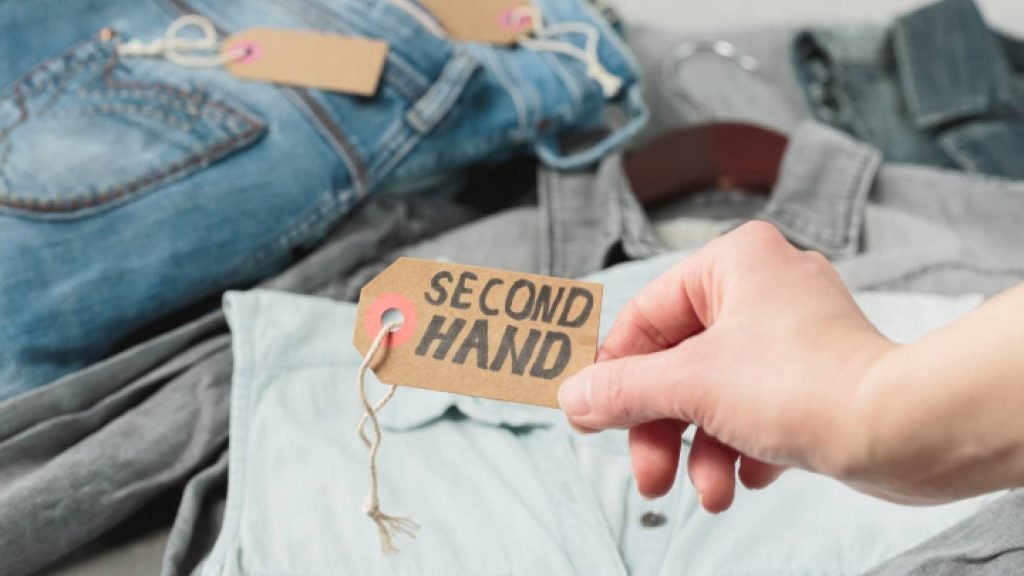
The eighth annual Recommerce Report draws on research and data from GlobalData and incorporates findings from an August 2026 Pollfish survey of 1,500 US adults focused on recommerce buying and selling behaviours.
The report revealed that 90% of surveyed US adults said they bought second-hand goods in the past year, with 51% selling something themselves.
Existing shoppers are also highly engaged, with 81% saying they spent as much or more time on resale platforms compared to the previous year, while 78% are maintaining or increasing the number of used items they purchase.
The report projects that recommerce’s share of US retail spending will climb to 8.3% by 2030, with total market value forecast to expand from $246.7bn in 2026 to $307.7bn by the decade’s end.
Economic pressures are a key driver of this shift, with 71% of shoppers indicating that financial concerns influenced their second-hand shopping or selling over the past year, and 56% specifically citing the cost of living or inflation.
Tariff-related price increases have also played a role, prompting 51% of all shoppers and 66% of Gen Z to consider second-hand options instead of buying new.
This growth is bolstered by shifting consumer attitudes, with 81% believing that second-hand purchases allow them to get what they want without paying full retail price.
Younger Americans are especially active, with 67% of Gen Z respondents opting for second-hand whenever a suitable option exists.
The data reveals that recommerce is expanding beyond clothing, with approximately three-quarters of second-hand spending now occurring in other categories such as furniture, electronics, and home improvement.
Nearly half, or 44% of US shoppers check resale options before purchasing new items costing more than $100, and 41% of Gen Z shoppers say their motivation comes from accessing higher-quality or higher-end products.
For sellers, recommerce provides a way to “unlock value from things they already own,” with 95% of consumers identifying items at home they could potentially sell. Of those, 53% estimate they could make at least $500, and a third believe their surplus items could net $1,000 or more.
Many use the proceeds for daily expenses, savings, or debt repayment; among Gen Z, 18% have used earnings to fund new business or side projects.
As digital resale grows, shoppers are interested in technology that simplifies listings but remain wary of changes that could compromise trust.
Many respondents see a useful role for AI, with 39% interested in price suggestions and 30% in product category identification.
However, 54% said that AI-generated or heavily edited images reduced their confidence in a listing, a proportion that rises to 68% among Gen Z.
Concerns about privacy and authenticity are shaping platform preferences. Nearly half of Gen Z respondents reported avoiding listings due to worries that acquaintances might see what they are selling, while 55% prefer dedicated resale platforms with separate profiles for buying and selling.
Local transactions also retain appeal, with 38% of shoppers preferring to buy from someone nearby and picking the item up locally, a figure that rises to 45% among Gen Z consumers.
OfferUp said: “Together, the findings show a resale economy that is becoming more integrated into everyday shopping without losing the qualities consumers value most. Shoppers are increasingly turning to secondhand to get more for their money and unlock value from what they already own, while looking for technology that makes the experience easier without sacrificing authenticity, privacy or control.”