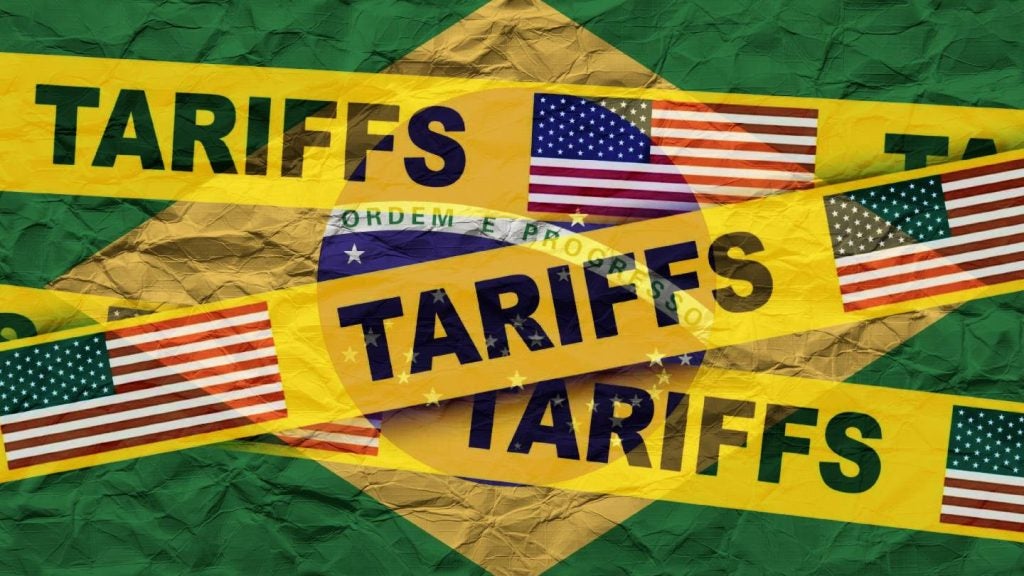
The final action, announced by Ambassador Jamieson Greer on 15 July 2026, comes at the direction of President Donald Trump, marking the culmination of a yearlong Section 301 investigation into Brazilian trade practices.
During the investigation, industry groups and small US retailers argued that alternative footwear suppliers could not replicate the quality and volume provided by Brazilian manufacturers.
Several commenters also warned that the increased costs from the tariff would negatively impact small American businesses.
Despite these concerns, the USTR concluded that footwear is a consumer good “generally available from third countries,” according to its official statement.
The USTR further stated that importers had been given notice since 1 June 2026 to locate alternative sources outside Brazil.
The Section 301 investigation leading to this decision examined several Brazilian government measures. These include digital trade restrictions, electronic payment services regulations, preferential tariffs, anti-corruption enforcement practices, intellectual property protection, ethanol market access, and illegal deforestation. The final order preserved exemptions for Brazilian beef, coffee, aircraft, and other goods.
The USTR determined that these practices were unfair and restricted American commercial interests.
Ambassador Greer said: “Safeguarding American economic interests against unfair trade practices is the bedrock of President Trump’s America First policies. Whether it is punishing US technology companies for refusing to censor political speech, backsliding on anti-corruption enforcement, or allowing Brazilian farmers to exploit illegally logged land to gain an advantage over American farmers, Brazil’s unfair trading practices have prevented US workers and producers from accessing this important market with over 210 million consumers.”
The USTR’s review process included two public hearings featuring 77 witness testimonies and the consideration of more than 360 written comments. Although negotiators attempted to resolve the identified issues with Brazil, USTR stated that these efforts were unsuccessful.
US officials remain open to further talks with Brazil, but barring a resolution, Brazilian footwear will remain fully subject to the 25% tariff.
The new tariffs are set to take effect on 22 July 2026, two days before Trump’s temporary 10% global tariff is due to expire.
The decision stands out amid broader US efforts to respond to what officials describe as unfair foreign trade practices impacting American producers.
“Today’s action is necessary to address these unfair trade practices to ensure American workers and companies can compete on a level playing field. Extensive negotiations with Brazil over the past year have not resolved these issues, but we remain open to continuing negotiations with Brazil to bring about long-needed changes to the problems identified in this investigation,” Greer added.
"Tariffs will undermine Brazil as a critical sourcing alternative"
Commenting on the new development, American Apparel & Footwear Association (AAFA) president and CEO Steve Lamar tells Just Style: “We are deeply disappointed by the Administration’s decision to impose a stacked 25% tariff on imports from Brazil, continuing to add disproportionate cost burdens on US companies and American families.
"Brazil has been a growing sourcing leader for our industry, particularly footwear, in the effort to diversify out of China. These tariffs will undermine Brazil as a critical sourcing alternative; disrupting long-term investments from the US that threatens to send companies right back to China.
"Congress must exercise robust oversight of this process to ensure delegated authorities are used appropriately and transparently. Without that oversight, the American fashion industry, including US workers and US consumers, could become unintended casualties.”